
Costa Rica Elopement Photographer
Costa Rica Elopement Photographer
A Costa Rica elopement photographer should do more than take pictures: they should help you find the spot, read the light, and keep an intimate day feeling calm. This guide comes from Adri & Lucas Weddings. We are a bilingual photography and film team serving elopements throughout Costa Rica and selected destinations. Both Adri and Lucas have photographed and filmed weddings since 2013. Their work has been featured repeatedly by Junebug Weddings. Meet our team.
A Costa Rica elopement is a small, intimate ceremony, often just the two of you or a handful of guests, set somewhere wild: a Pacific beach, a jungle waterfall, or a cloud-forest overlook. A Costa Rica elopement photographer plans the day around the light and the location, covers both photo and film, and keeps everything relaxed. Our elopement photography collections start at USD 1,640, with all fees and taxes included.
Solo ustedes dos, el mar, y todo el tiempo del mundo. Just the two of you, the ocean, and all the time in the world.
Why a Costa Rica Elopement Photographer Who Knows the Country
Light here behaves differently than it does at home. Costa Rica sits close to the equator, so sunset barely moves across the year and the golden window is short. On the Pacific side the last hour before dark drops fast, which means a ceremony scheduled thirty minutes too late loses the light entirely. A Costa Rica elopement photographer who lives here builds the timeline backwards from that hour rather than forwards from breakfast.
Season changes the calculation again. The dry months from December through April give you predictable sun, especially in Guanacaste. The green season from May through November brings afternoon rain on the Pacific, usually arriving somewhere between two and five and passing within a few hours, with clear mornings before it. We shoot weddings all year. What we bring is knowing where the gaps sit, so a green season date can still be planned around the best weather of the day instead of hoping.
The Caribbean side runs opposite to all of this, drier in September and October when the Pacific is at its wettest, which is worth raising with your Costa Rica elopement photographer before you lock a date. If your dates are fixed and the weather looks wrong for one coast, the answer is often to move the location rather than the date.
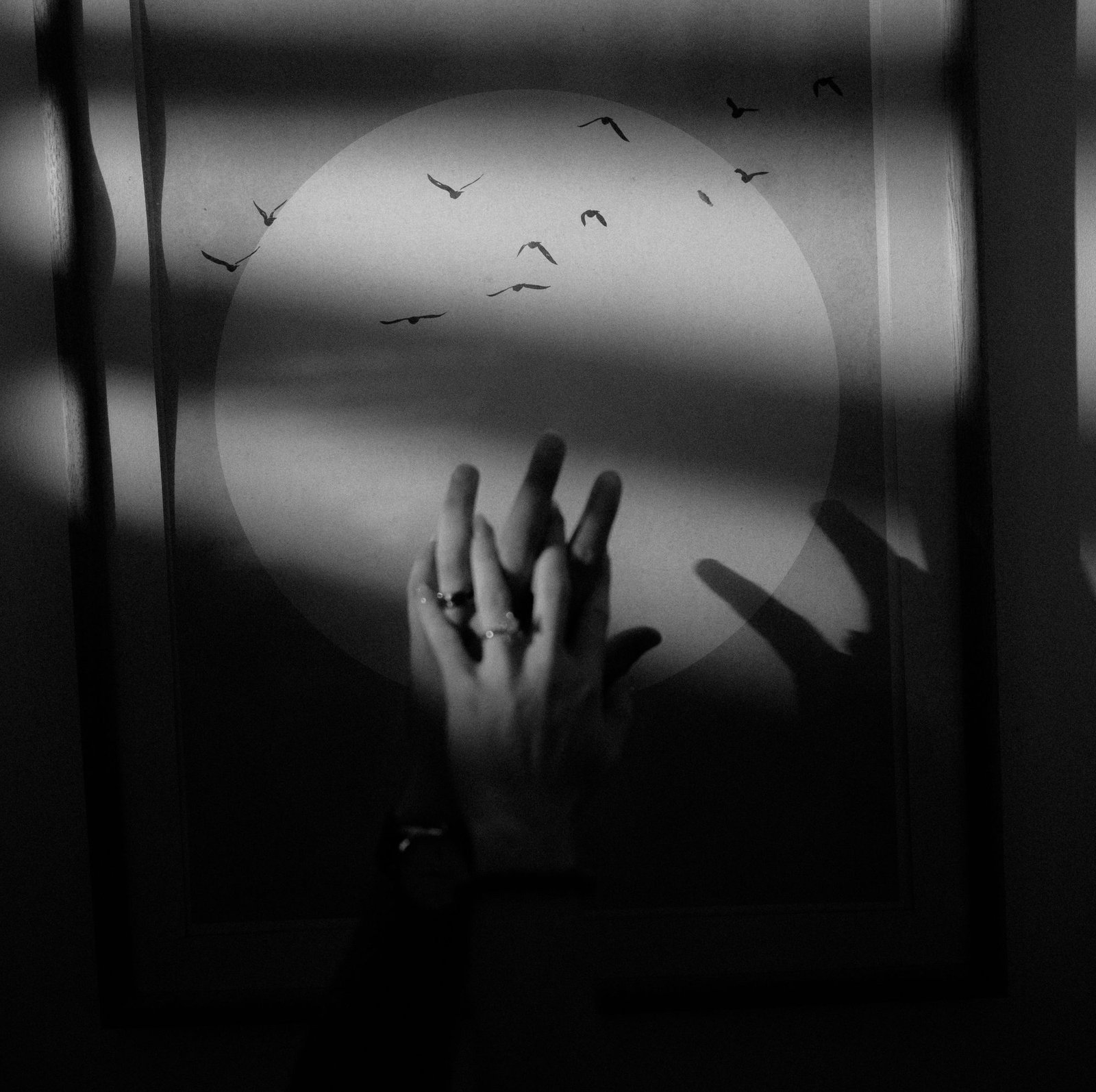
Eloping abroad means trusting one person to be your guide as much as your photographer. Specifically, a Costa Rica elopement photographer who lives here knows which beach faces the sunset, which trail leads to a quiet waterfall, and how to time the day so the light is soft. Therefore the photos come from real local knowledge, not a rushed scouting trip.
The other reason is coordination. Because an elopement has no big timeline or planner running the show, your photographer often helps shape the flow of the day. As a result, we build a simple plan for where to be and when, so you can stay present instead of watching the clock.
The Best Places to Elope in Costa Rica
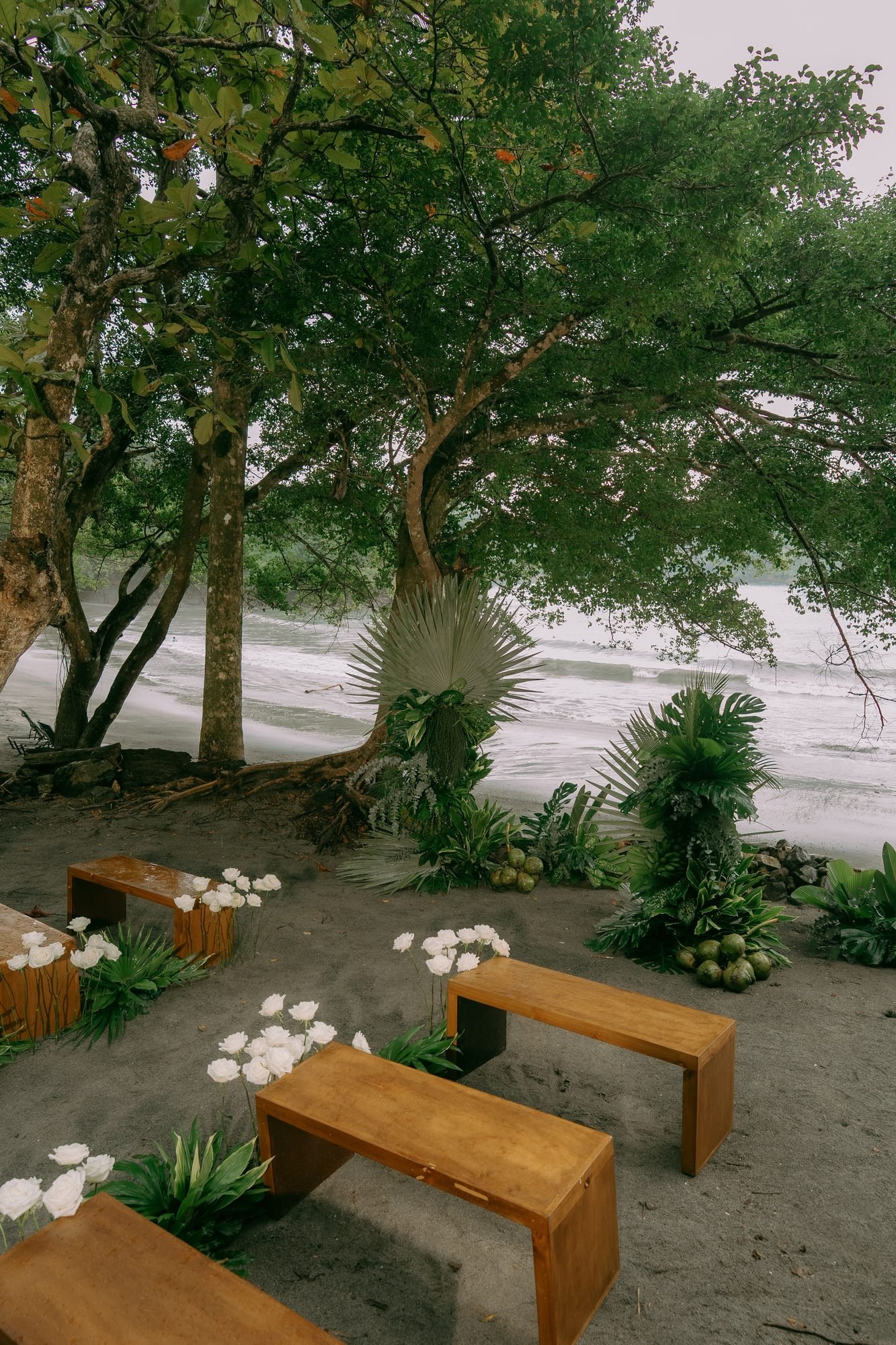
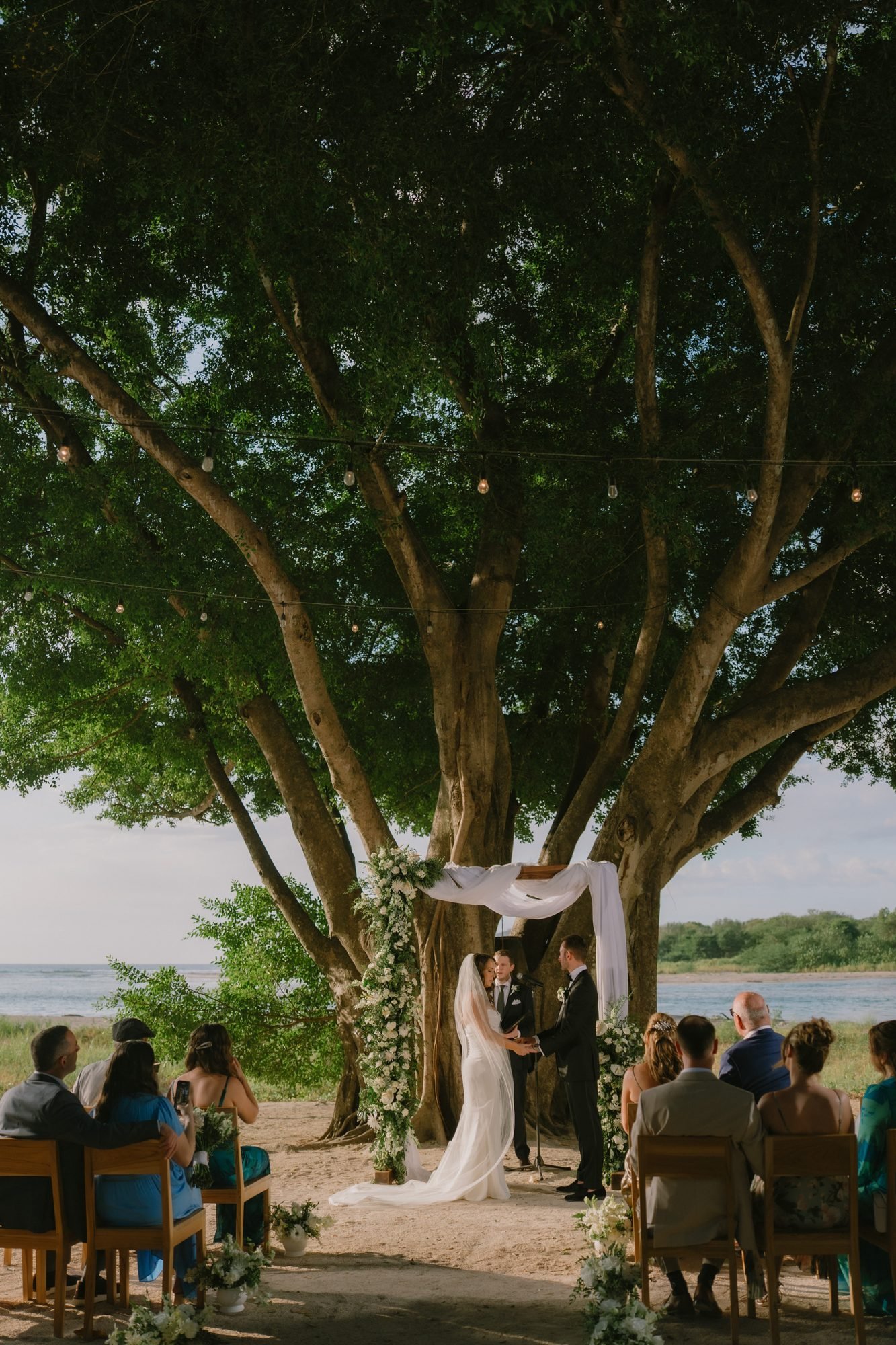
Guanacaste is the driest and the simplest to reach. You land at Liberia (LIR) and most venues sit within an hour or so, which matters more than couples expect when the whole trip is short. The coast faces west, so the sun sets into the water and you get the ceremony and the light in the same frame. If weather certainty is your first priority, this is where we point you, and it is the region most couples searching for a Costa Rica elopement photographer end up choosing.
Santa Teresa and the Nicoya Peninsula trade some of that convenience for character. Long open sand, a surf town rhythm, and a slower feel. The drive is longer and rougher, so build in more travel time than the map suggests and tell your Costa Rica elopement photographer early so the light still works.
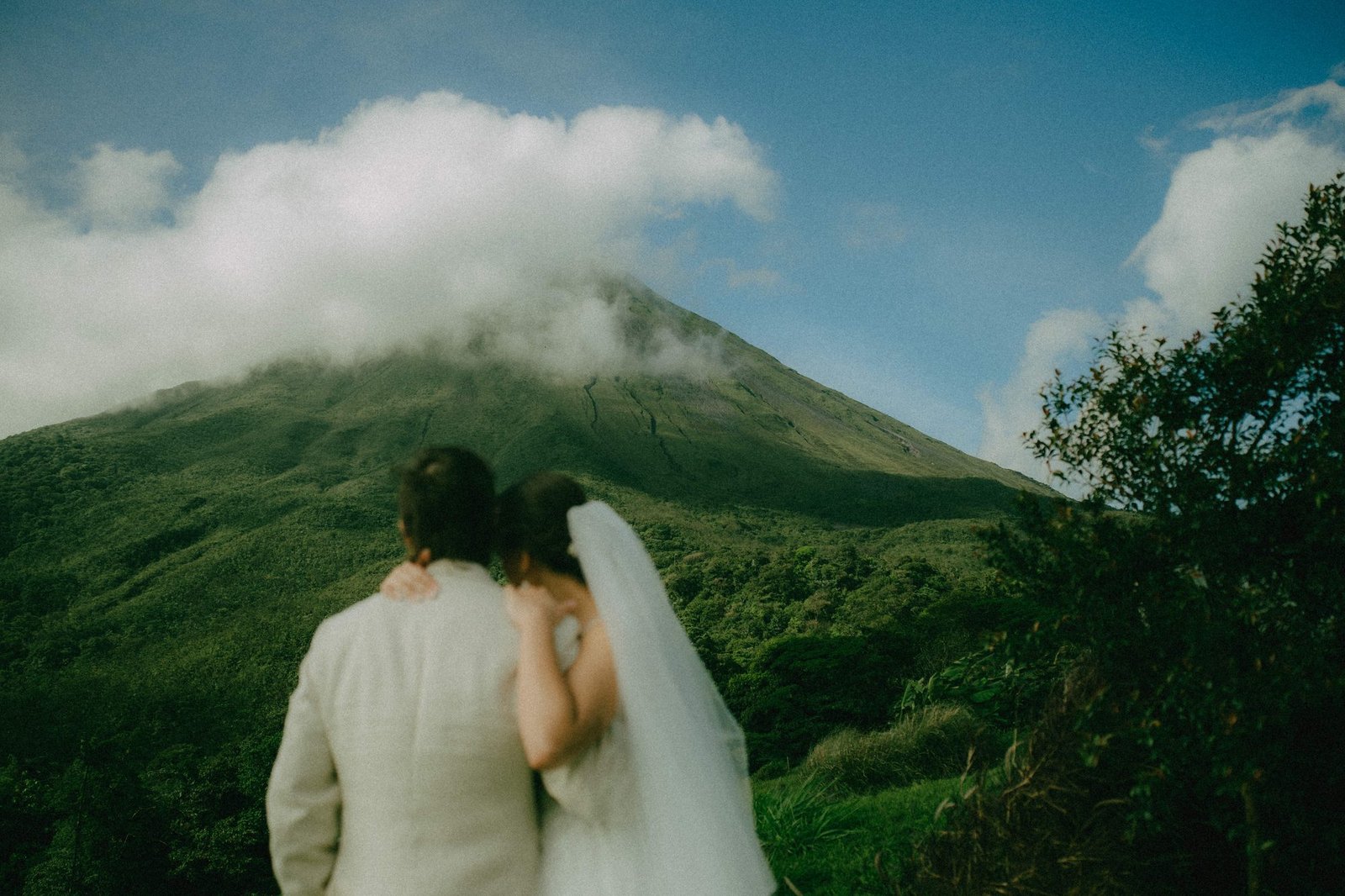
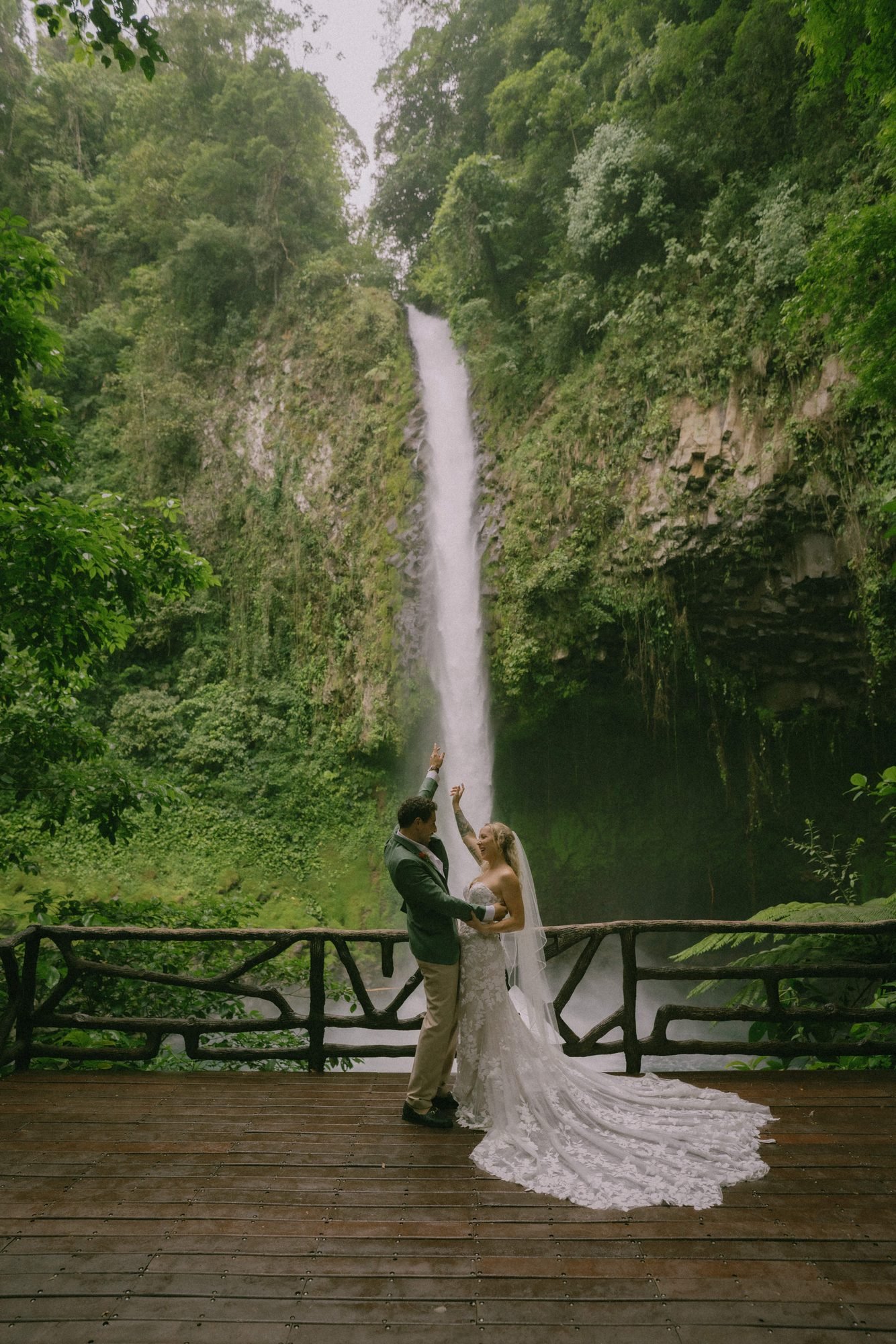
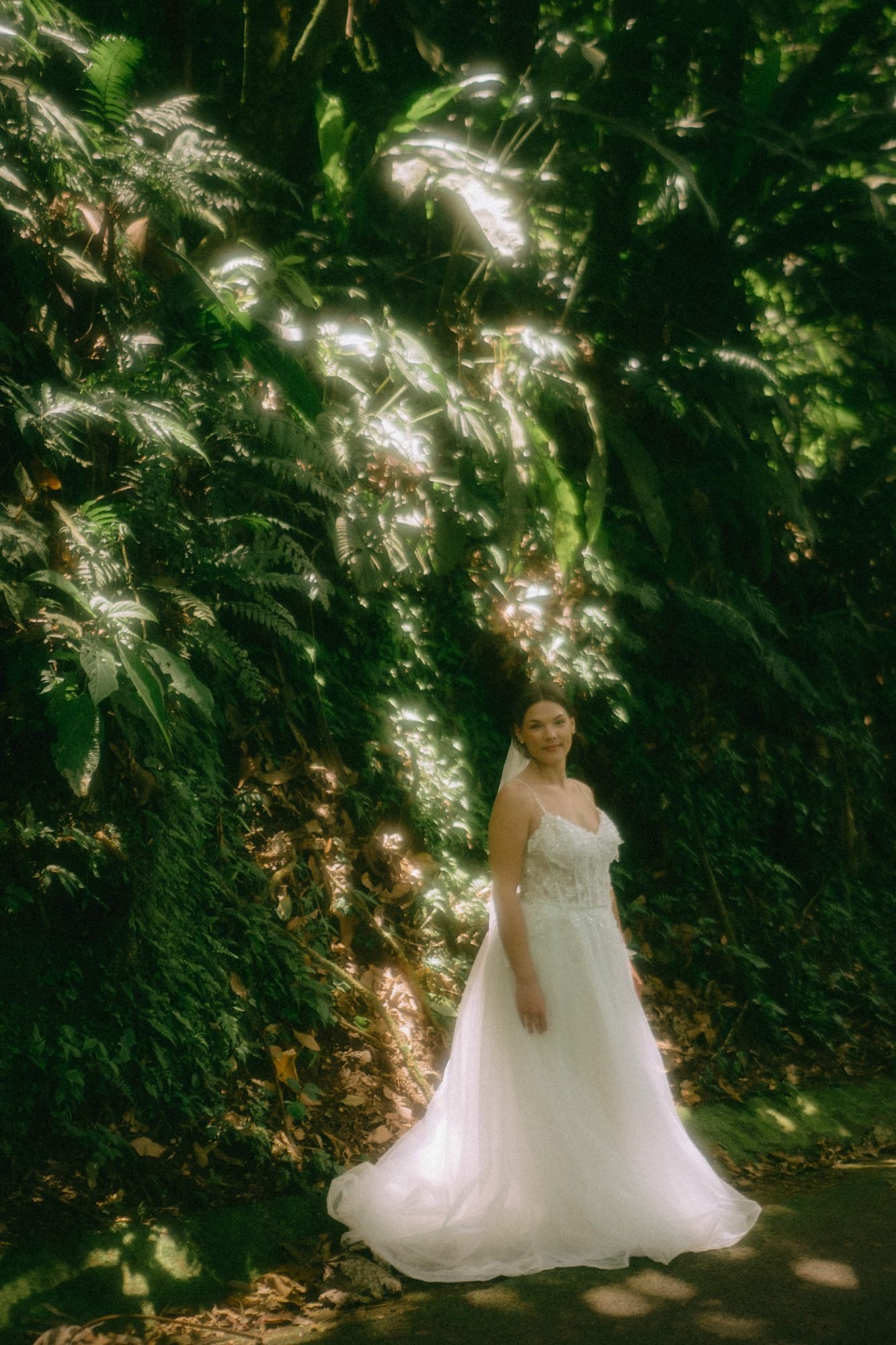
Arenal and La Fortuna give you green instead of blue. Volcano, rainforest, waterfalls, and afternoon cloud that moves constantly. It rains more here than on the Guanacaste coast, and in our experience that is a feature rather than a problem. Some of the strongest frames we have made as a Costa Rica elopement photographer came out of a downpour.
The Central Valley and the cloud forest sit inland and higher, with misty light and colonial architecture around San Jose (SJO). It suits couples who want something other than a beach, and it works well either side of a coastal ceremony.
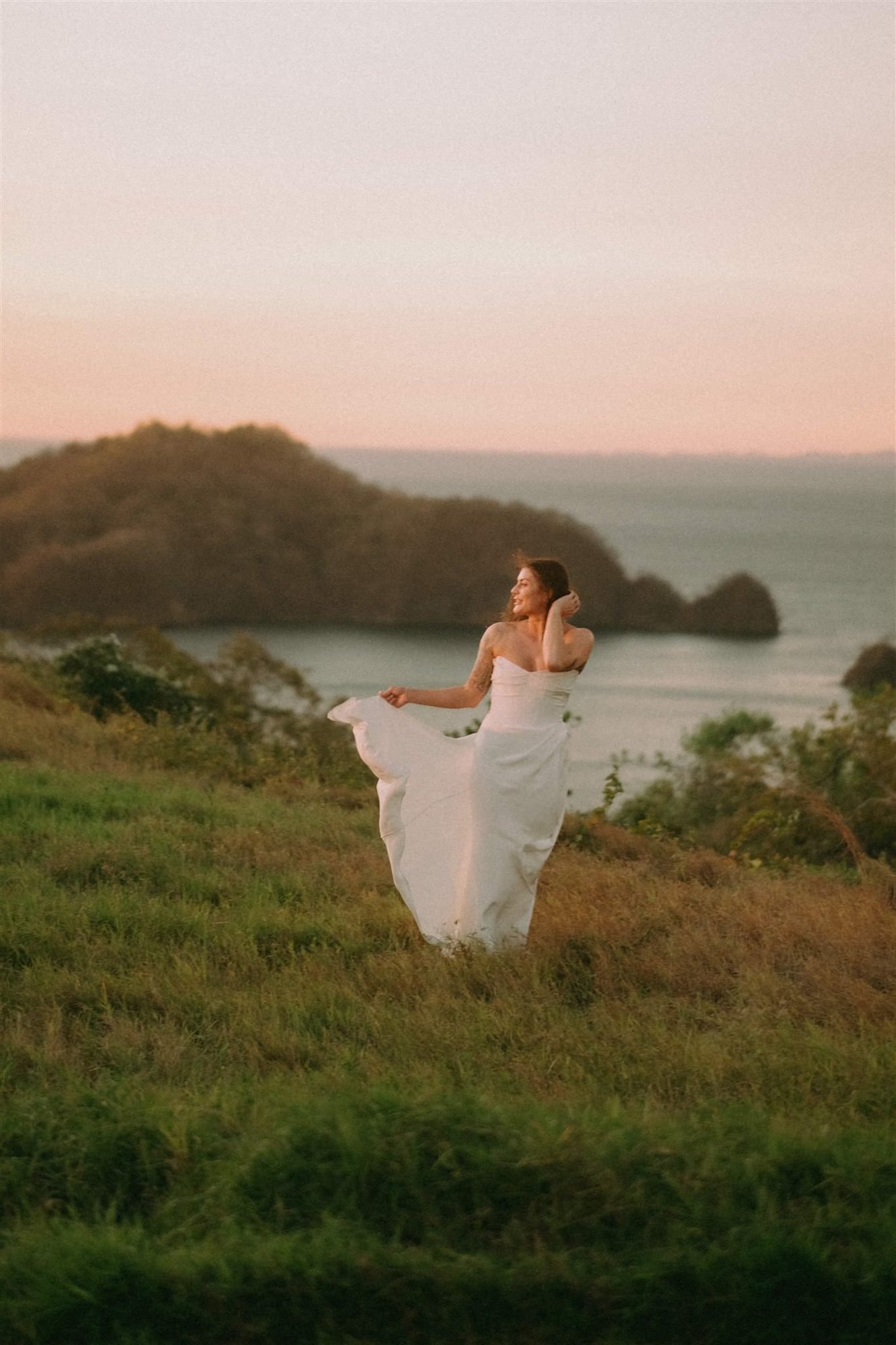
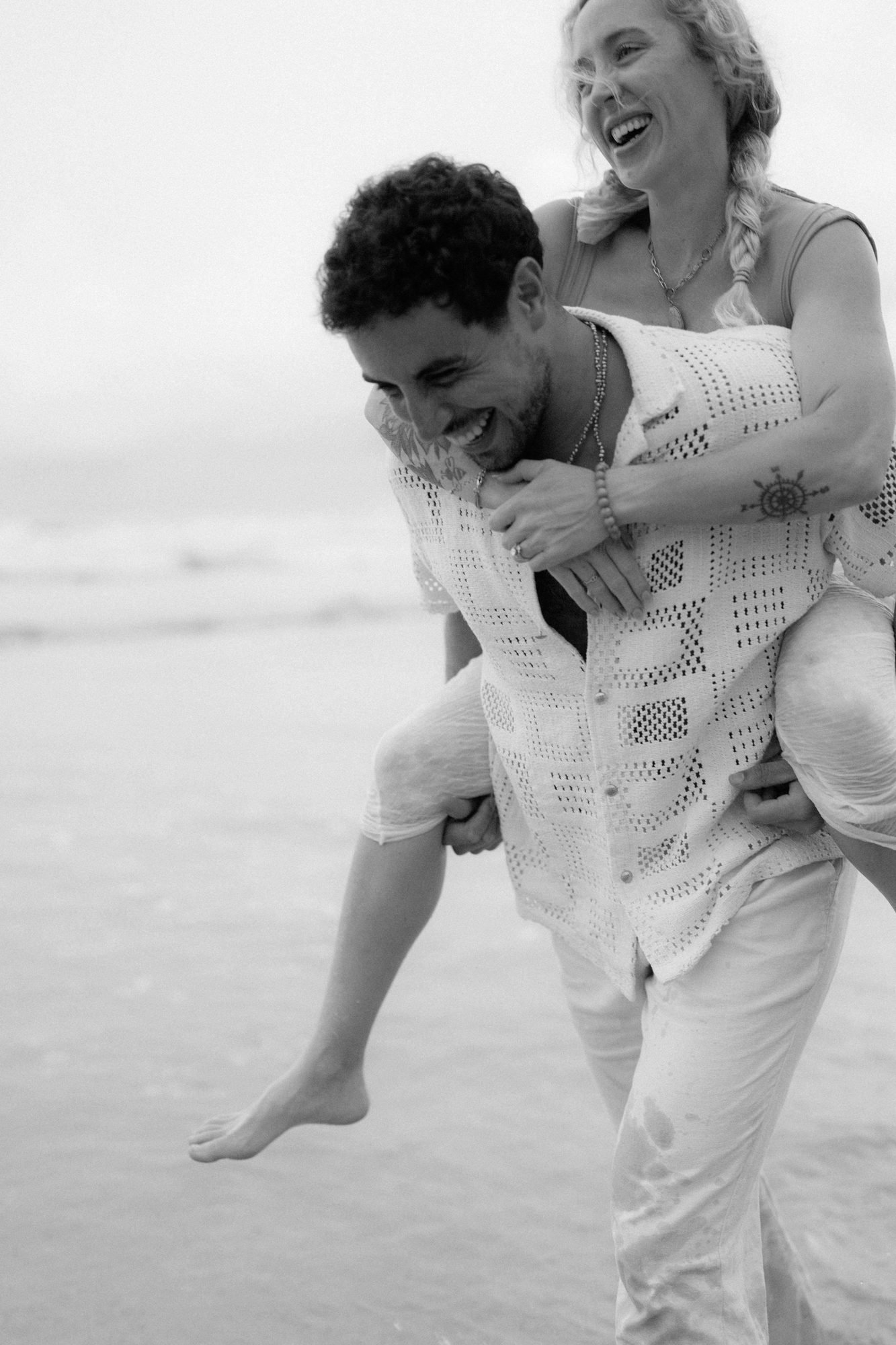
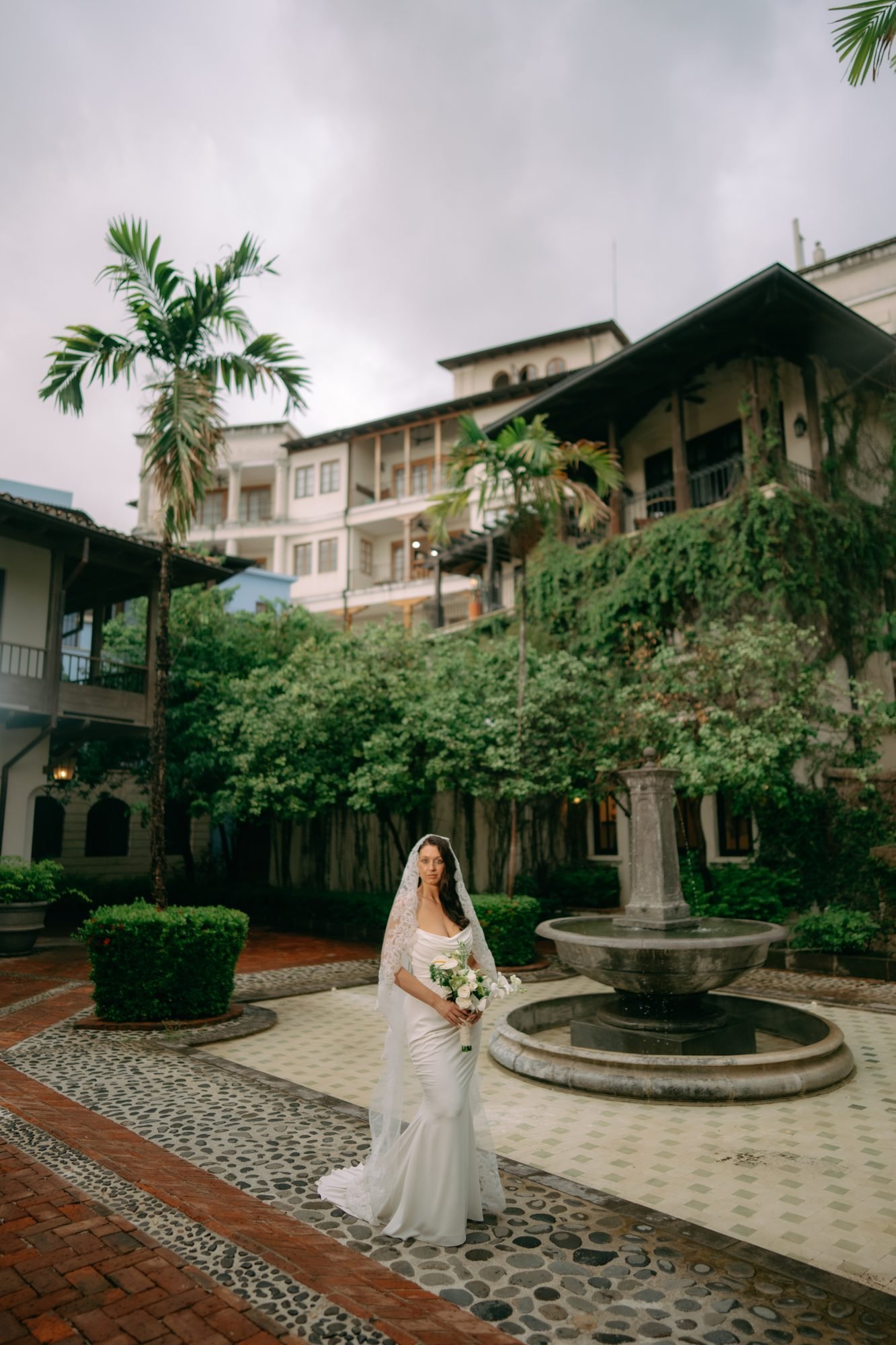
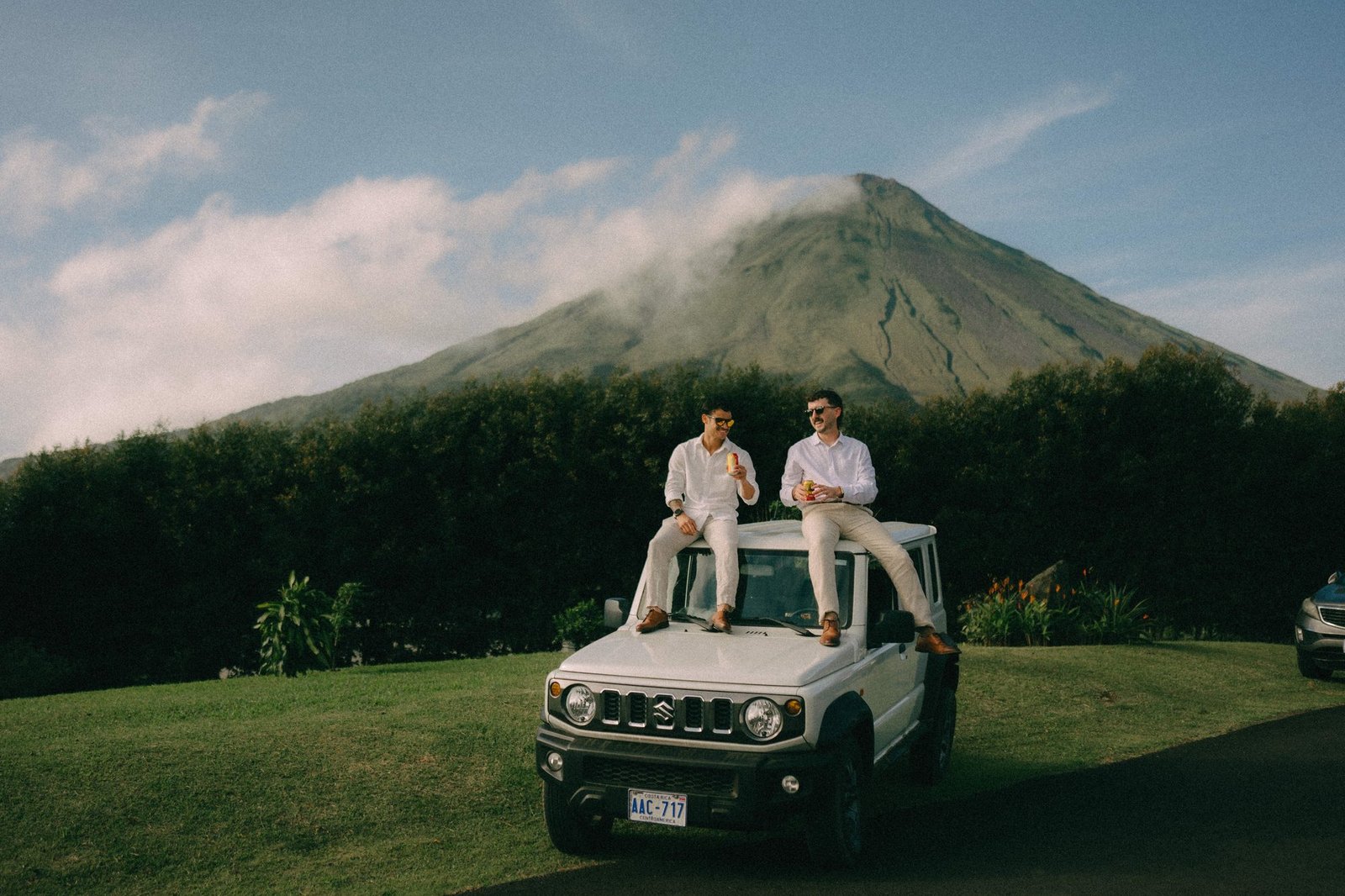
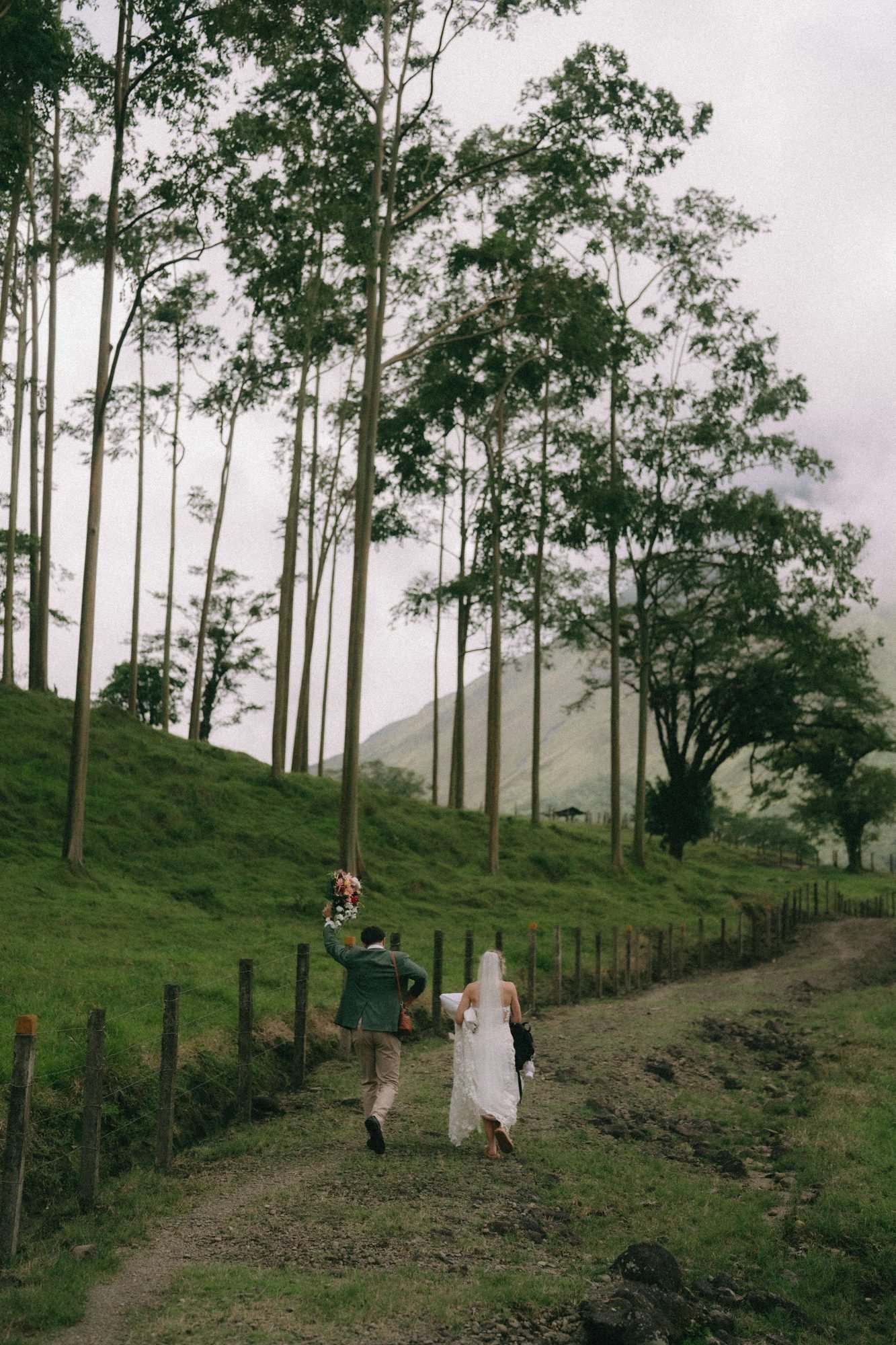
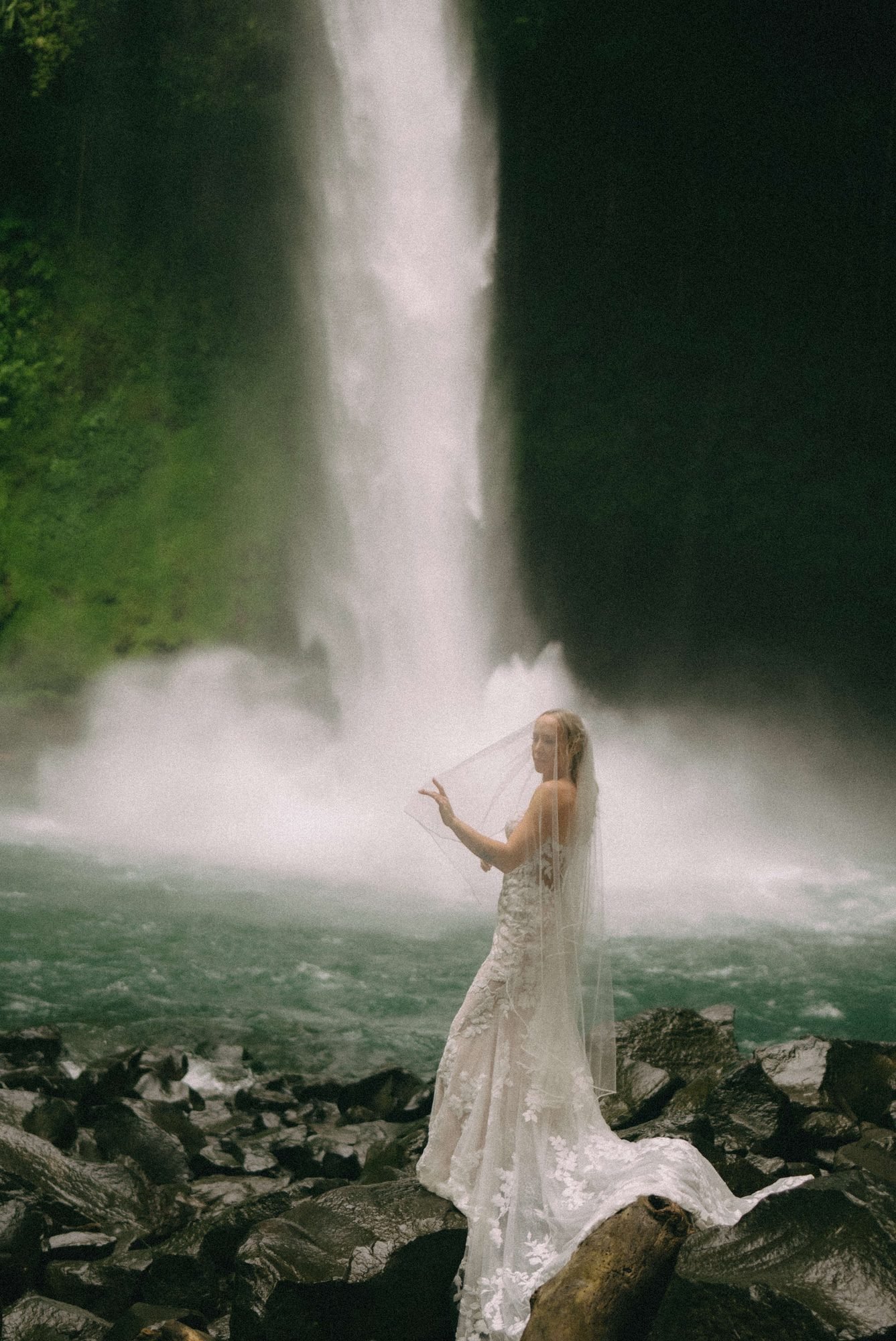
Costa Rica gives an eloping couple more landscapes than almost anywhere, from Costa Rica’s coasts and rainforests. Here is how the main options feel.
- Guanacaste beaches: the driest region and the easiest to reach, with west-facing Pacific sunsets and short transfers from Liberia airport (LIR). Good for a barefoot beach ceremony.
- Santa Teresa and the Nicoya Peninsula: a laid-back surf coast with long open beaches and a bohemian feel.
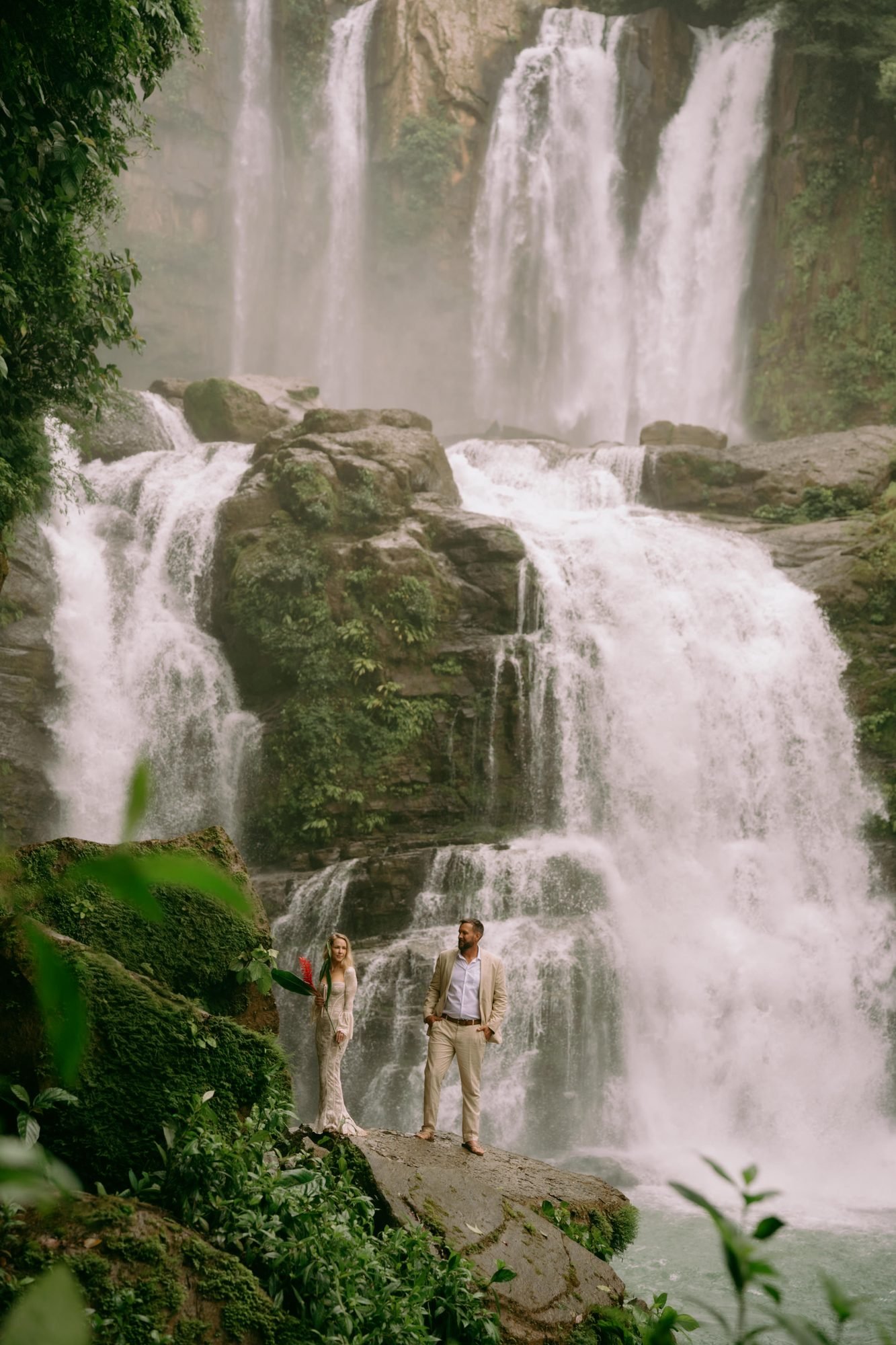
- Arenal and La Fortuna: a volcano-and-rainforest setting with waterfalls, for couples who want green over blue. Waterfall and protected-area ceremonies often need a permit, and we confirm current access for your date before you commit to a spot.
- Cloud forest and Central Valley: misty overlooks and coffee-country light, an easy add-on if you fly into San Jose (SJO).
- Manuel Antonio and the central Pacific: jungle meeting the sea, with rainforest right behind the beach.
What an Elopement Day Looks Like
There is no fixed template, but most elopements we photograph follow a similar shape. You get ready somewhere unhurried, often in the place you are staying rather than a hotel suite. That part usually takes longer than couples plan for, and it is worth protecting because it is where the day settles. Any Costa Rica elopement photographer worth booking will build room for it.
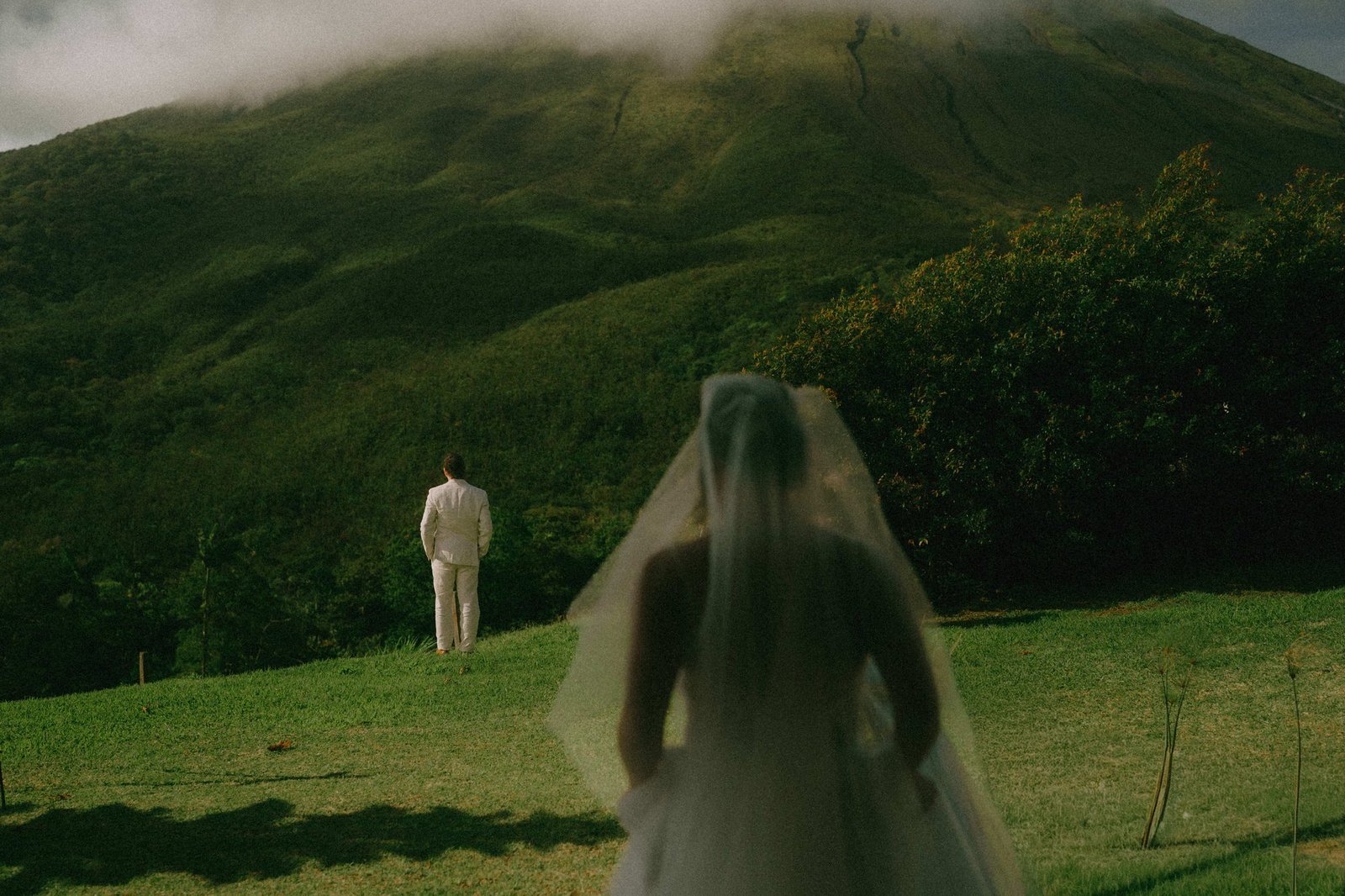
A first look before the ceremony buys you time and takes the pressure off. It is optional, and plenty of couples skip it, but it means portraits are done before the light turns and you arrive at your vows already comfortable in front of a camera.
The ceremony itself is often the shortest part. Twenty minutes is common when it is just the two of you. Afterwards we walk, usually somewhere the light is doing something worth the effort, and then the day tends to loosen into dinner.
If it rains, we keep going. Clear umbrellas, covered ground and a willingness to get slightly wet turn a forecast problem into a day that looks like nothing anyone else has. The couple below eloped in La Fortuna in steady rain and would not change it.
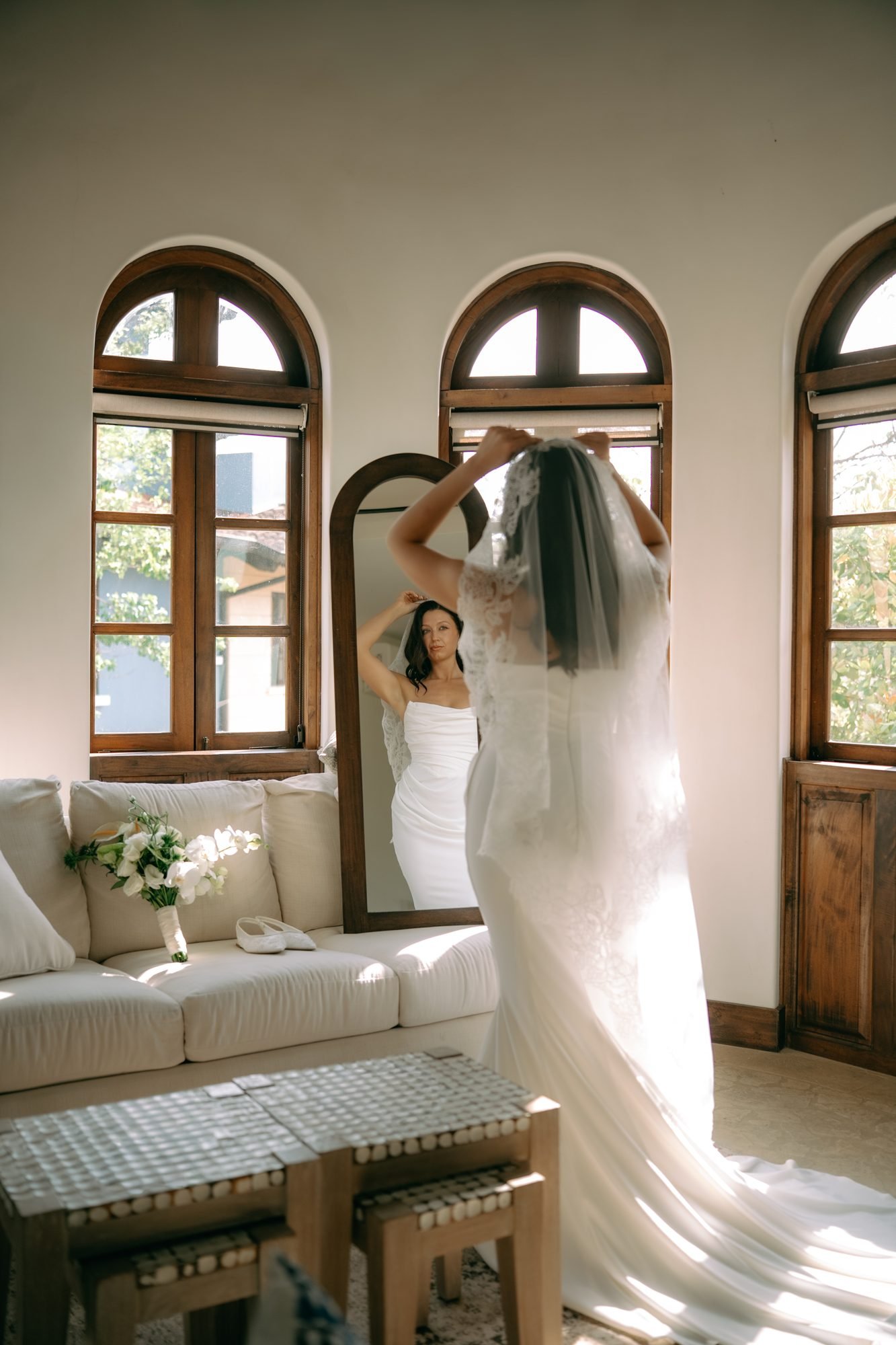
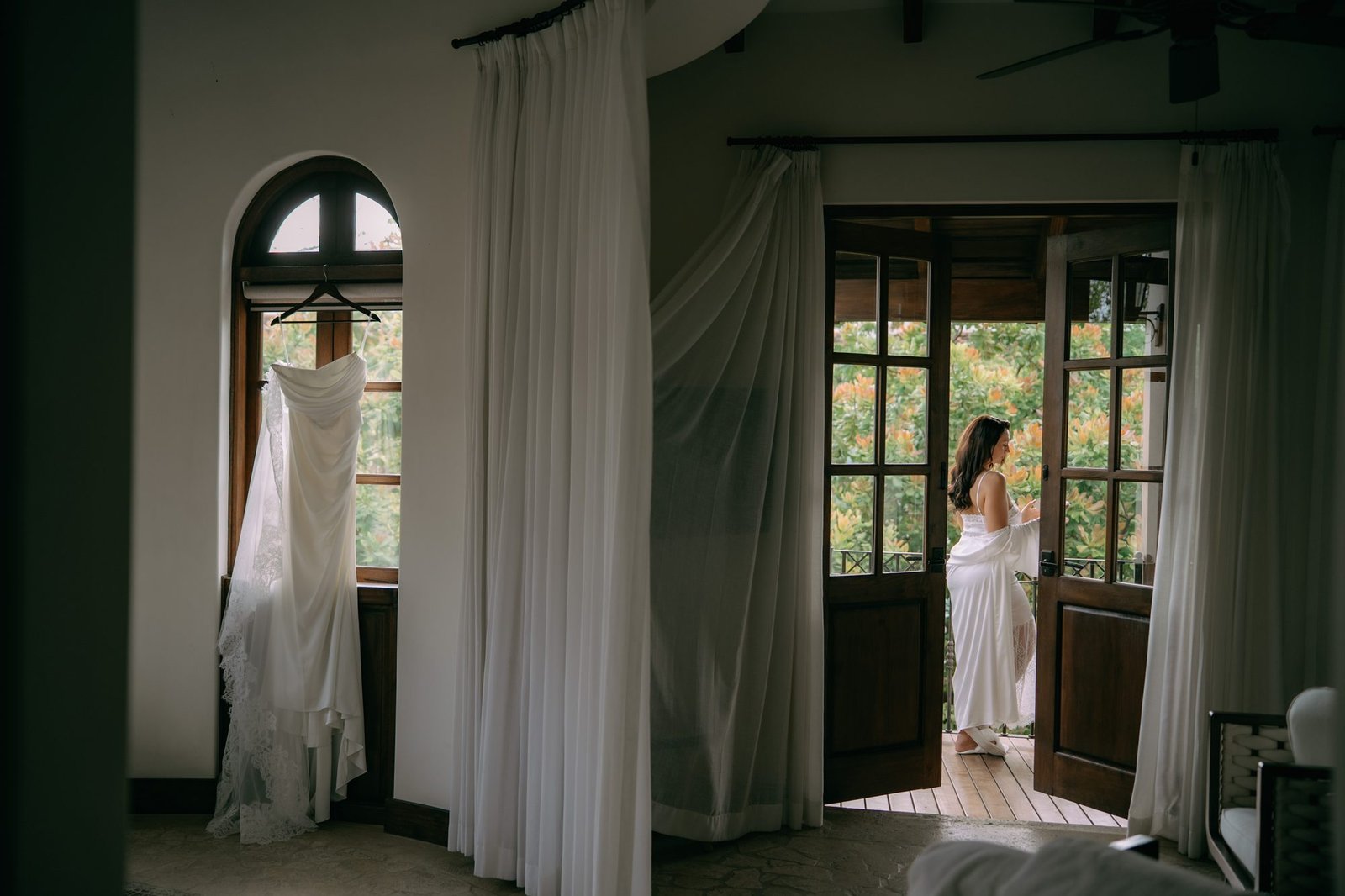
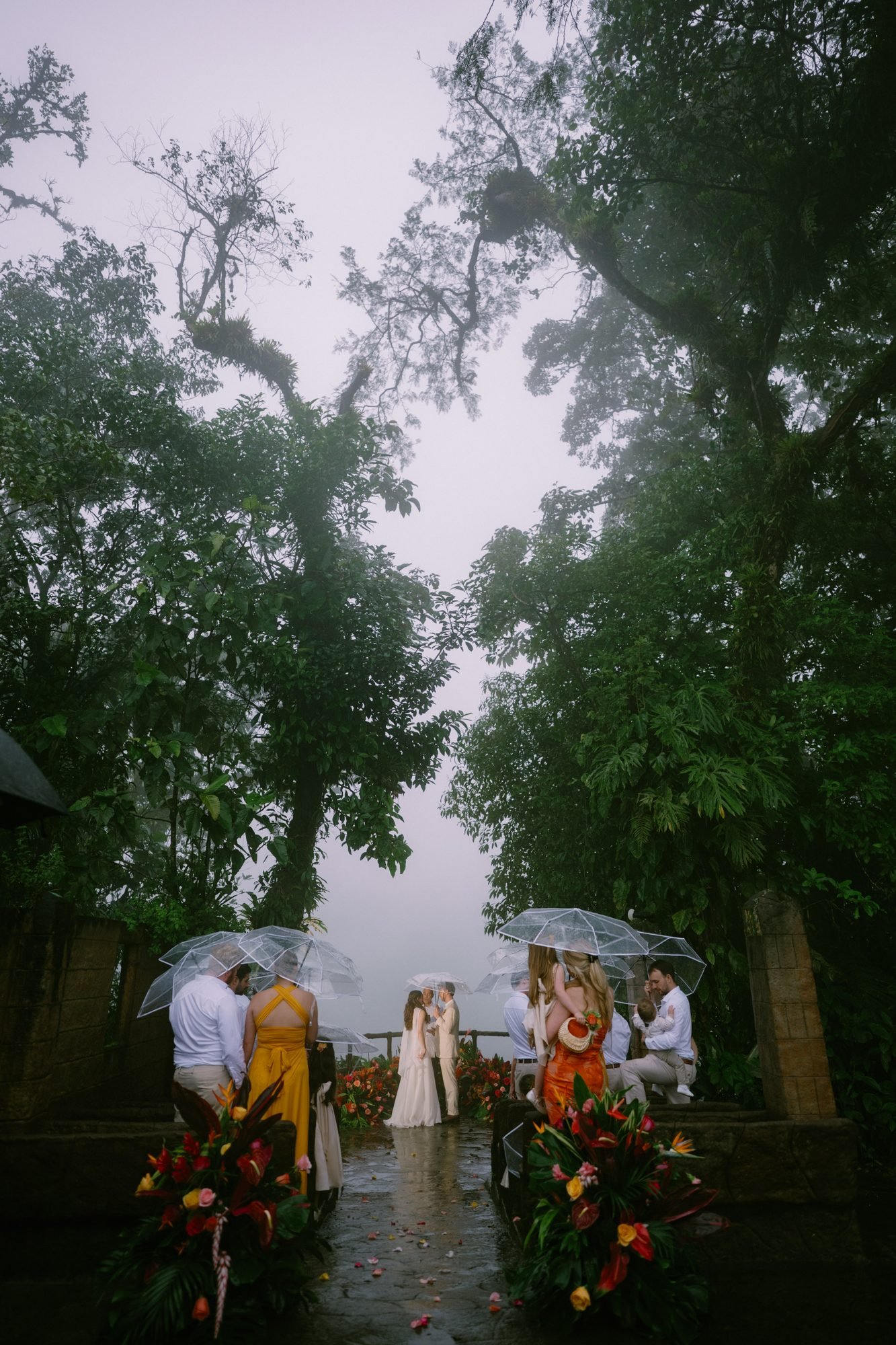
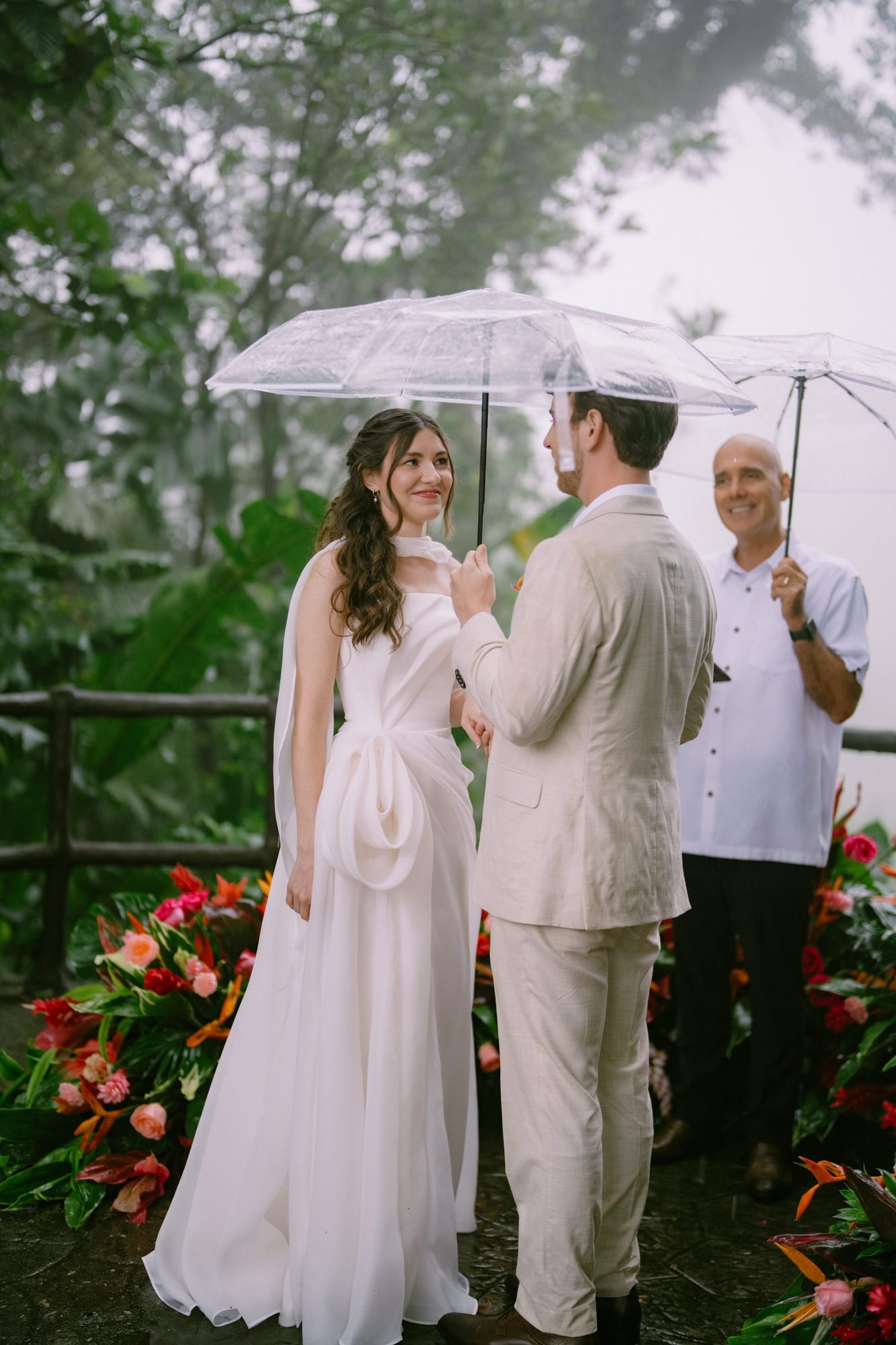
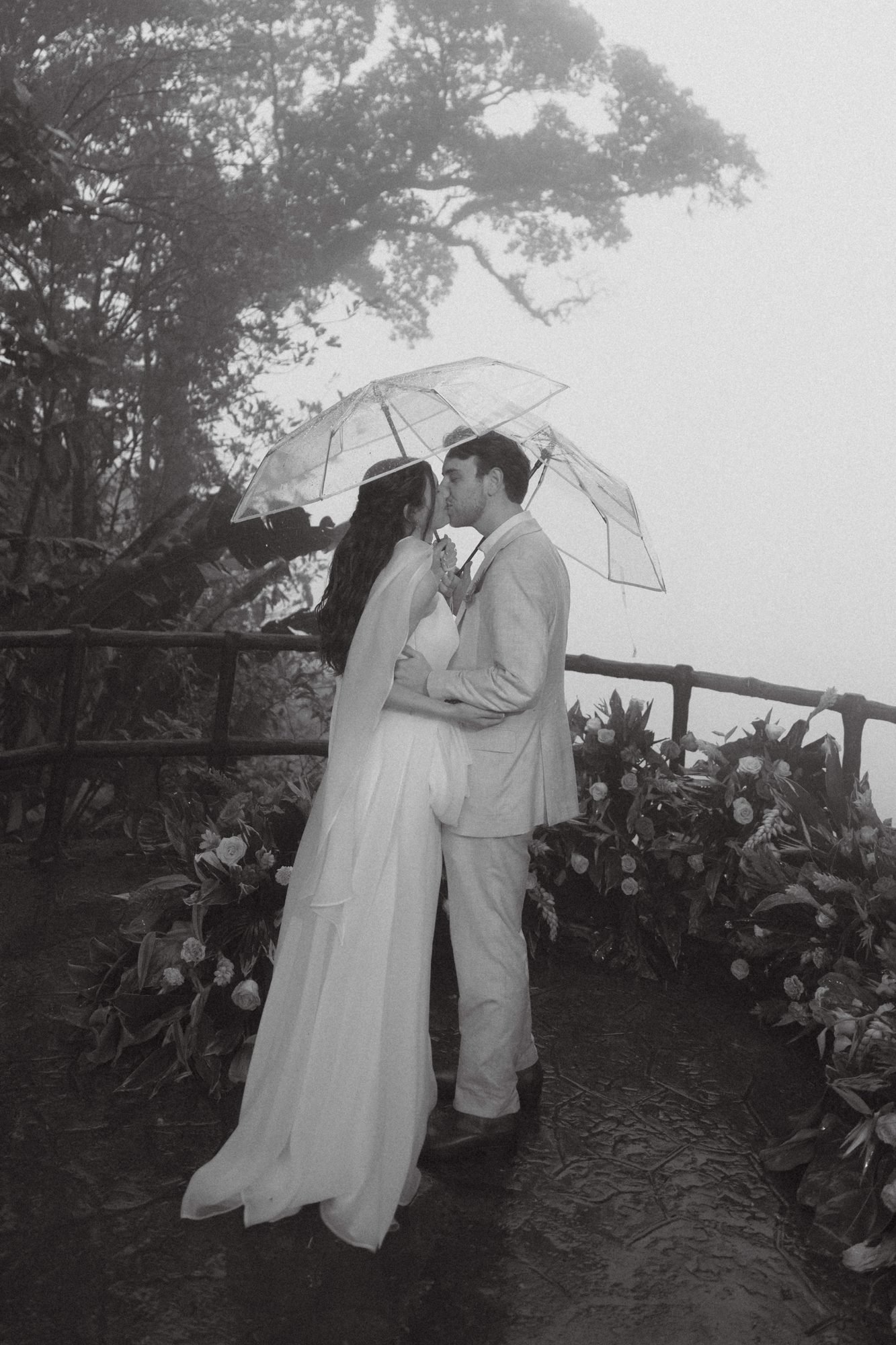
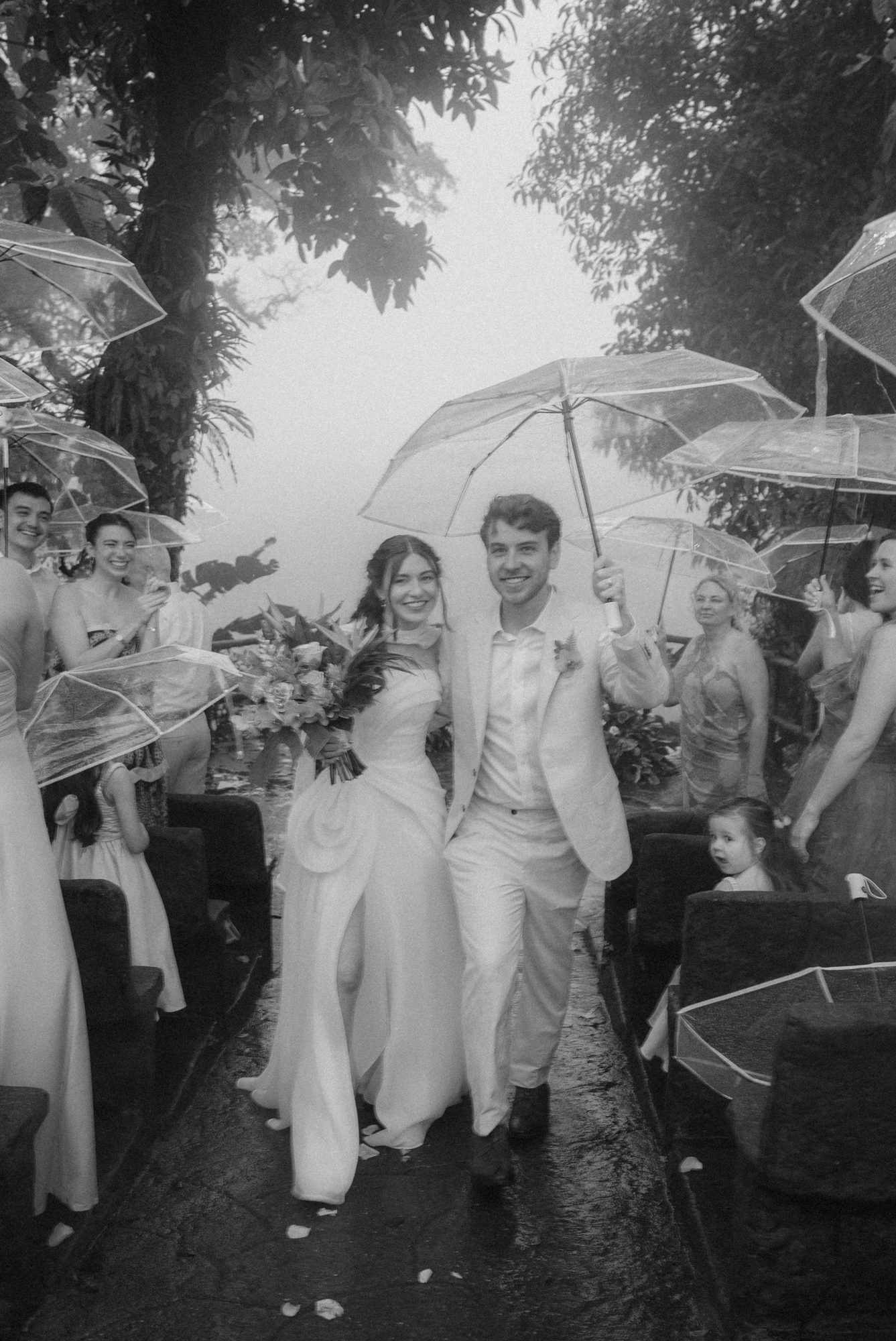
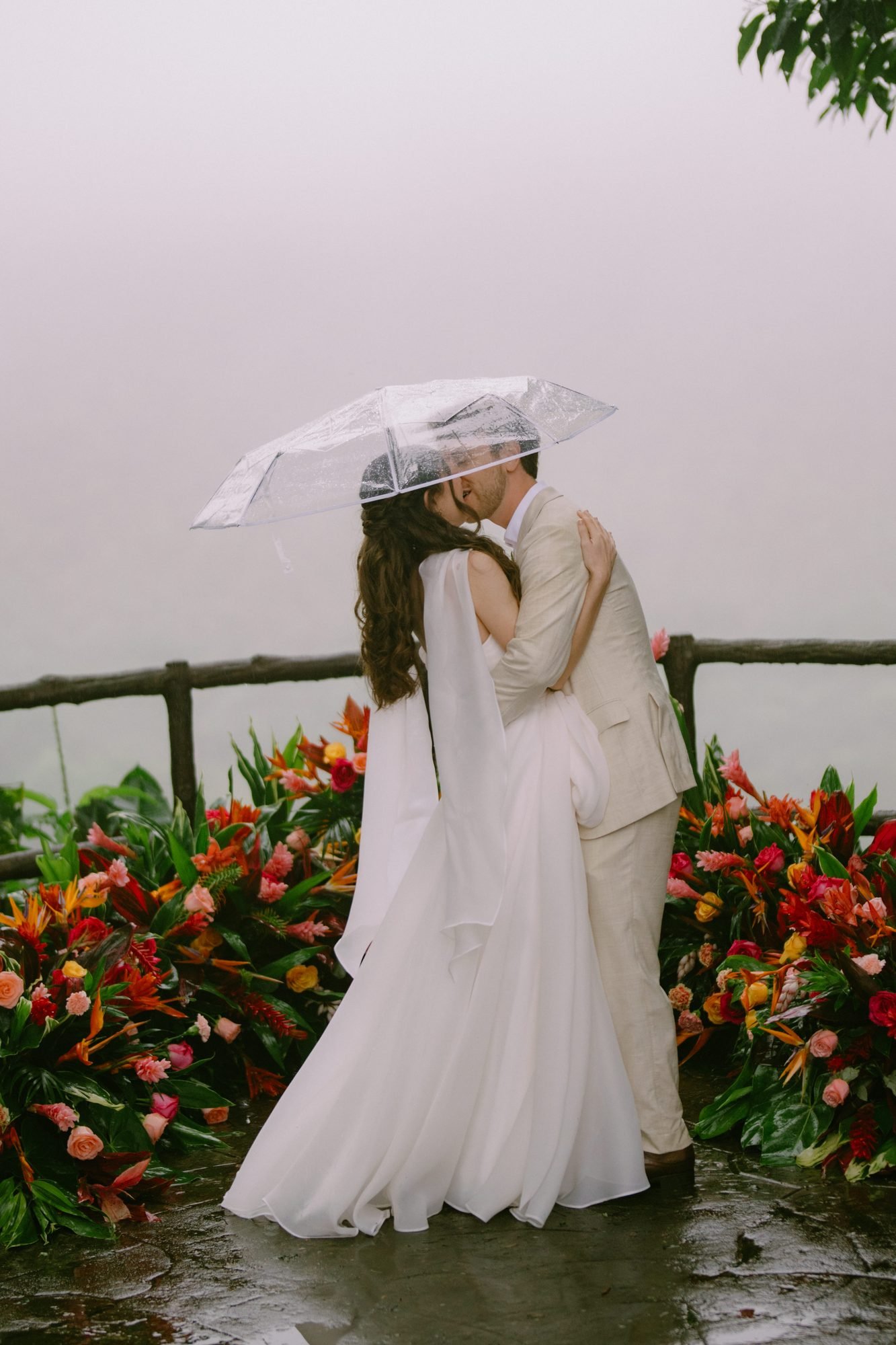
An elopement is not a shrunken wedding: it has its own rhythm. Typically we start with getting ready, move to the ceremony in the best light, and then take our time with portraits while the sun drops. Because there is no big guest list to manage, the whole day can breathe.
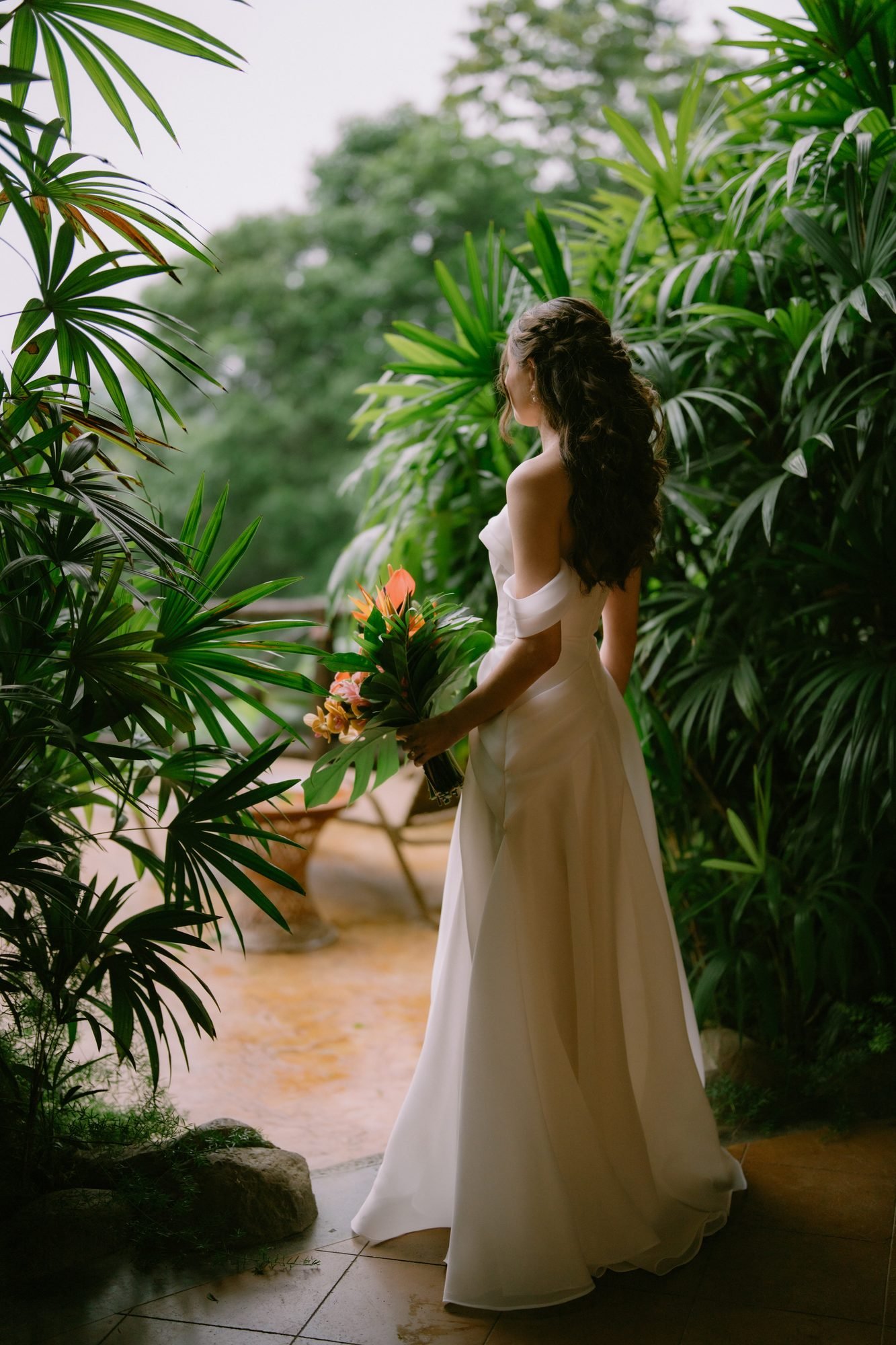
We also build in room for adventure. For instance, a short hike, a dip in the ocean, or a quiet dinner can all become part of the story. As a result, the gallery feels like your actual day in Costa Rica, not a set of posed frames.
Symbolic and Legal Ceremonies
Whichever route you choose, keep the paperwork and the ceremony separate in your head. The legal part is administrative and can happen in a notary office in a morning. The ceremony is the part you will actually remember, and it does not need to carry any legal weight to matter. Your Costa Rica elopement photographer should be documenting that part, not the paperwork.
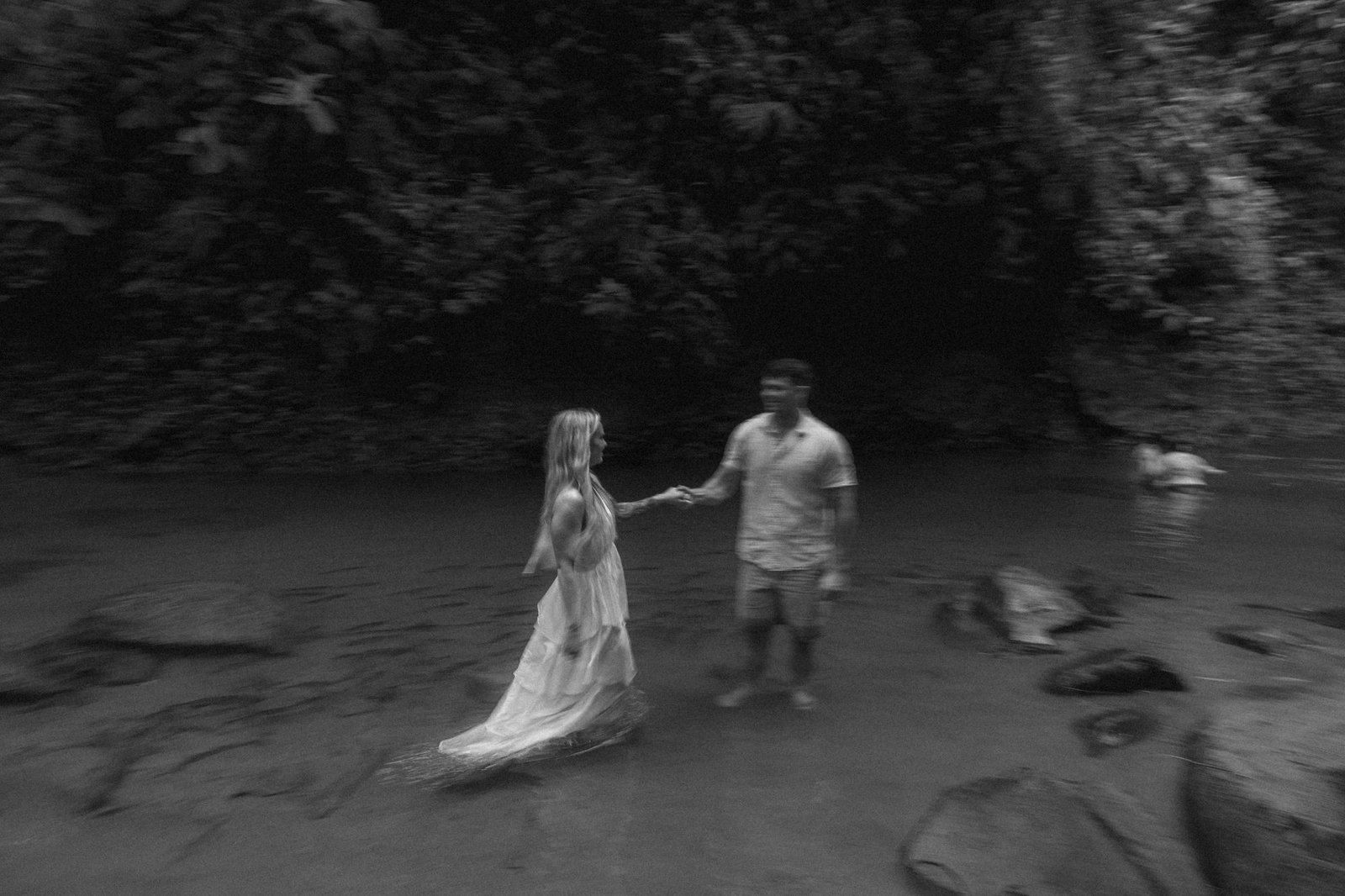

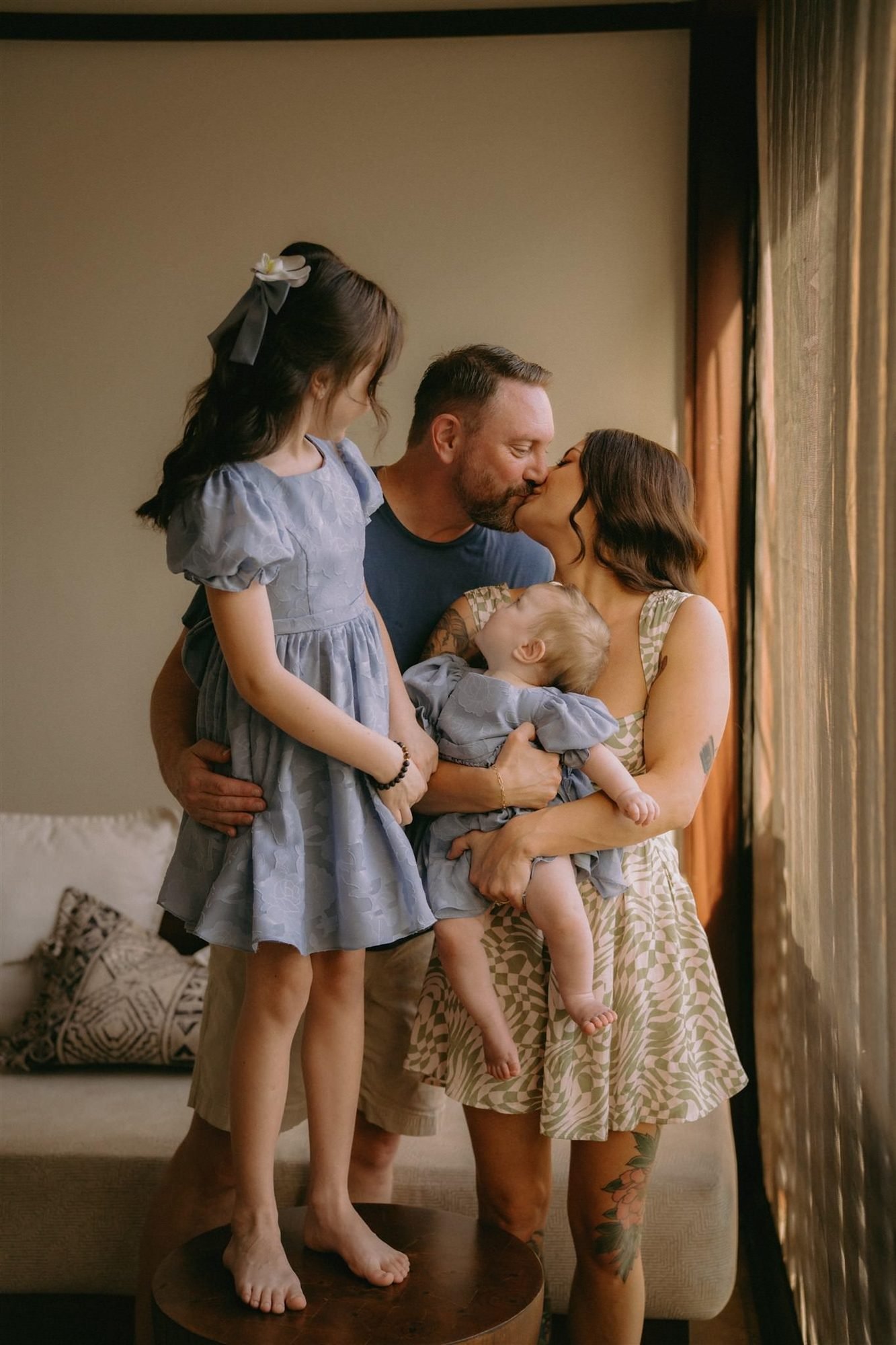
Many couples who elope in Costa Rica hold a symbolic ceremony here and handle the legal paperwork at home, which keeps the day simple. Others marry legally in Costa Rica, and that is more straightforward than most people expect: there is no residency requirement and no waiting period, so you can marry soon after you land. Only a notary, a judge or a Catholic priest can legally officiate, and a Costa Rican marriage is recognised internationally. A symbolic ceremony on its own carries no legal standing, so if the paperwork matters to you, plan both. We work alongside notaries and planners who handle the documents, and we will point you to them early.
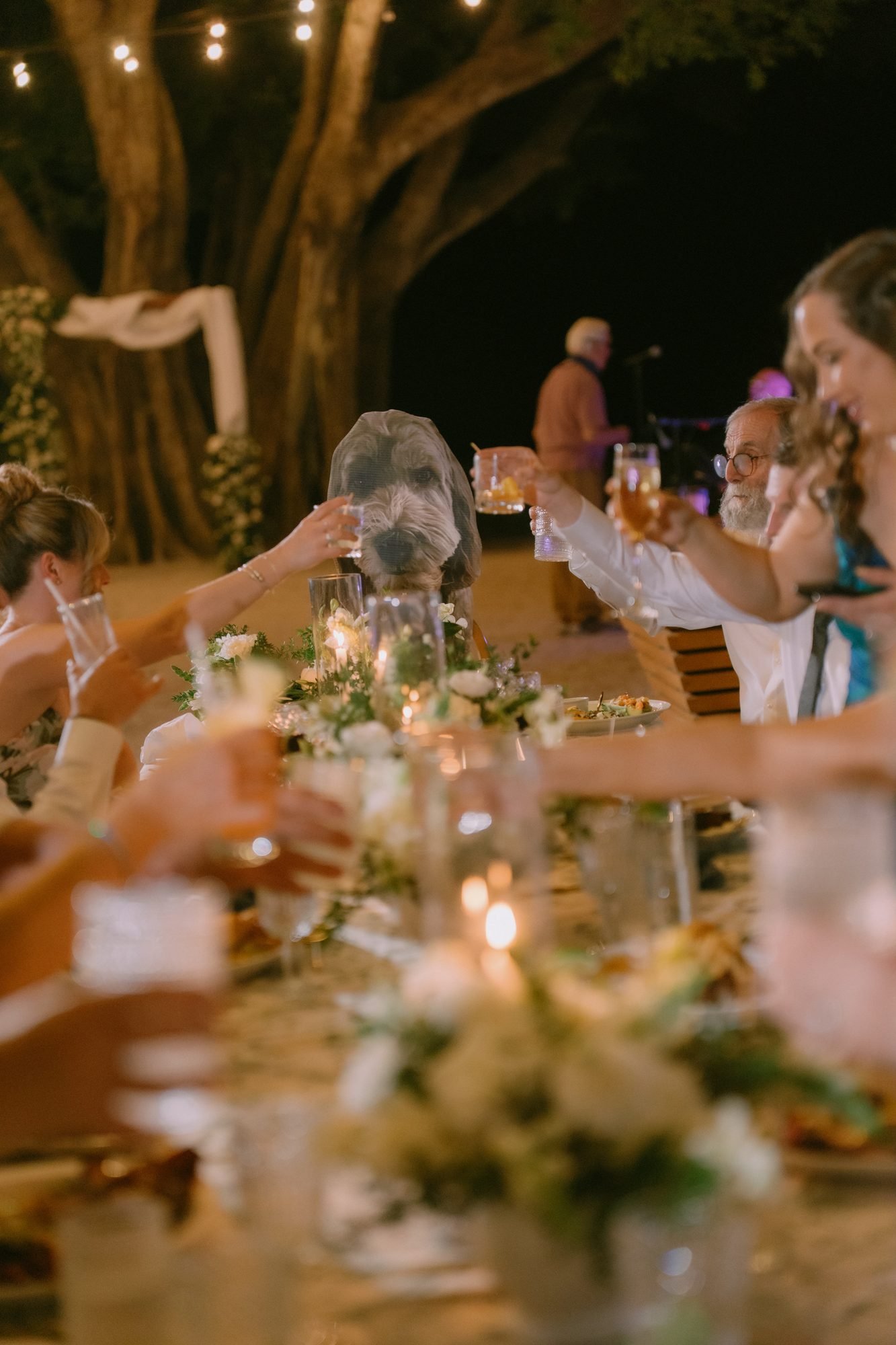
Not every ceremony looks the same, and the ones that stay with us rarely do. We have photographed cacao ceremonies, a tradition rooted in Costa Rica itself: the Bribri of Talamanca hold the cacao tree sacred, and sharing a cup stands for family, friendship and love, which makes it a natural fit for a wedding. We have photographed tobacco ceremonies, and full Indian celebrations with their own rituals and colour. We have also photographed couples who wanted none of it, just two people and their vows beside a waterfall. D and E turned their La Fortuna elopement at Amor Arenal into a two-day celebration and closed the first night dancing under warm lights with the jungle around them. Tell us what you want the ceremony to be and we will build the day around it.
Either way, our job is the same: to document the moment beautifully. Therefore we focus on the photos and film while your planner handles the paperwork, so nothing about the day feels like admin.
One Team for Photo and Film
Booking photo and film separately means two vendors negotiating the same moments, and it usually shows in the pictures. Someone steps into someone else’s frame, or the couple gets pulled in two directions during the twenty minutes that count most.
We shoot both in house. That means one conversation before the day, one team on the ground, and one set of decisions about where to stand. It also means the film and the photographs come from the same point of view rather than two competing ones, which is the practical argument for hiring one Costa Rica elopement photographer and film team instead of two vendors.
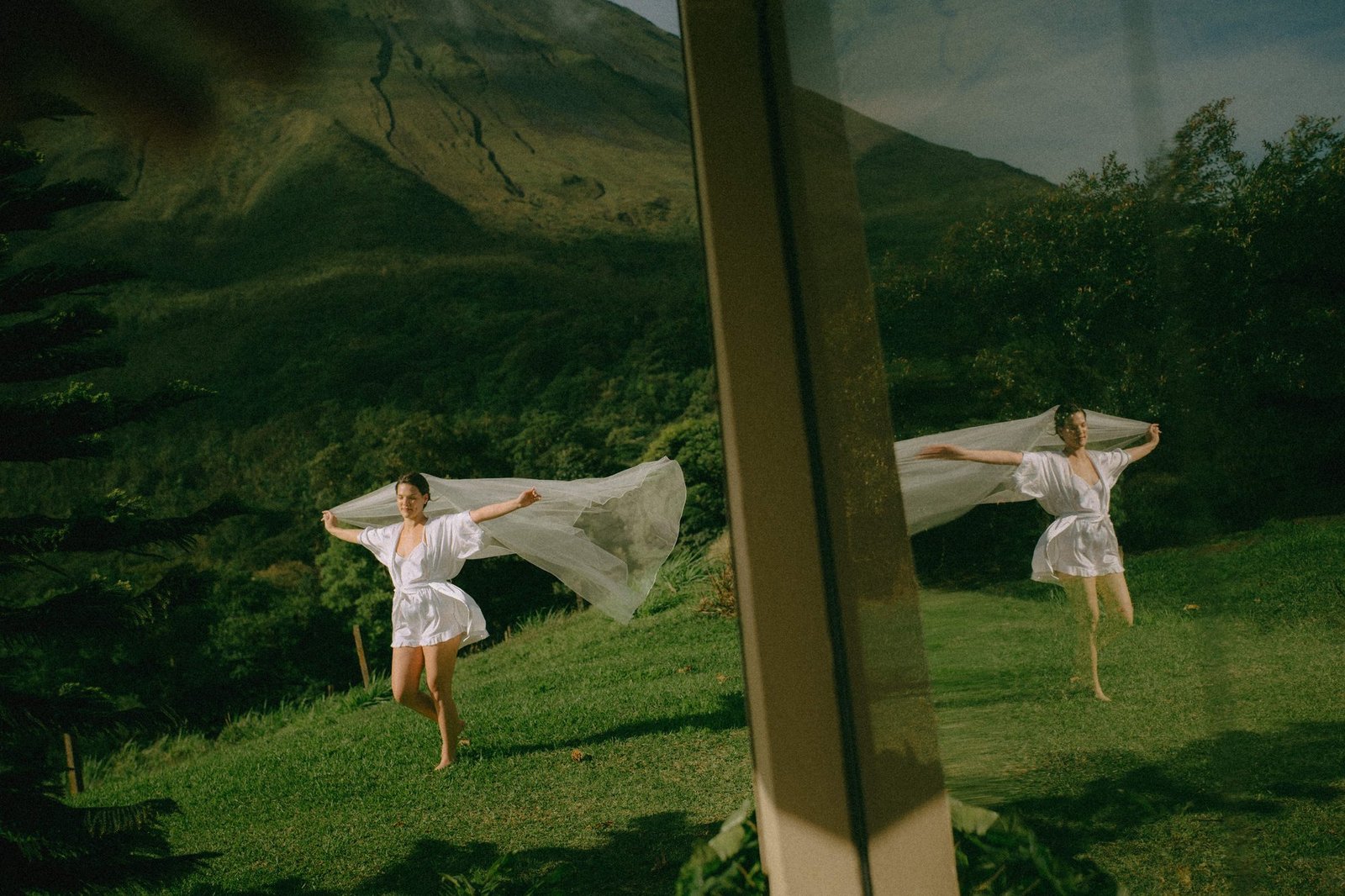
For an elopement, having two separate vendors follow you around can break the intimacy. In contrast, we shoot both photo and film in-house as a small team, so your Costa Rica elopement photographer and videographer already know how to move together quietly. As a result, the coverage feels like two friends along for the day, not a crew.
This is the heart of our approach: calm, unobtrusive coverage that still captures everything. See more on our Costa Rica wedding photography page.
Why Couples Choose Adri and Lucas to Elope
We are bilingual, which matters more than it sounds. Your officiant, your planner and the staff at your venue are often working in Spanish. Being able to move between both languages keeps a day running without anyone waiting on a translation, and it is the quiet reason couples keep choosing us as their Costa Rica elopement photographer.
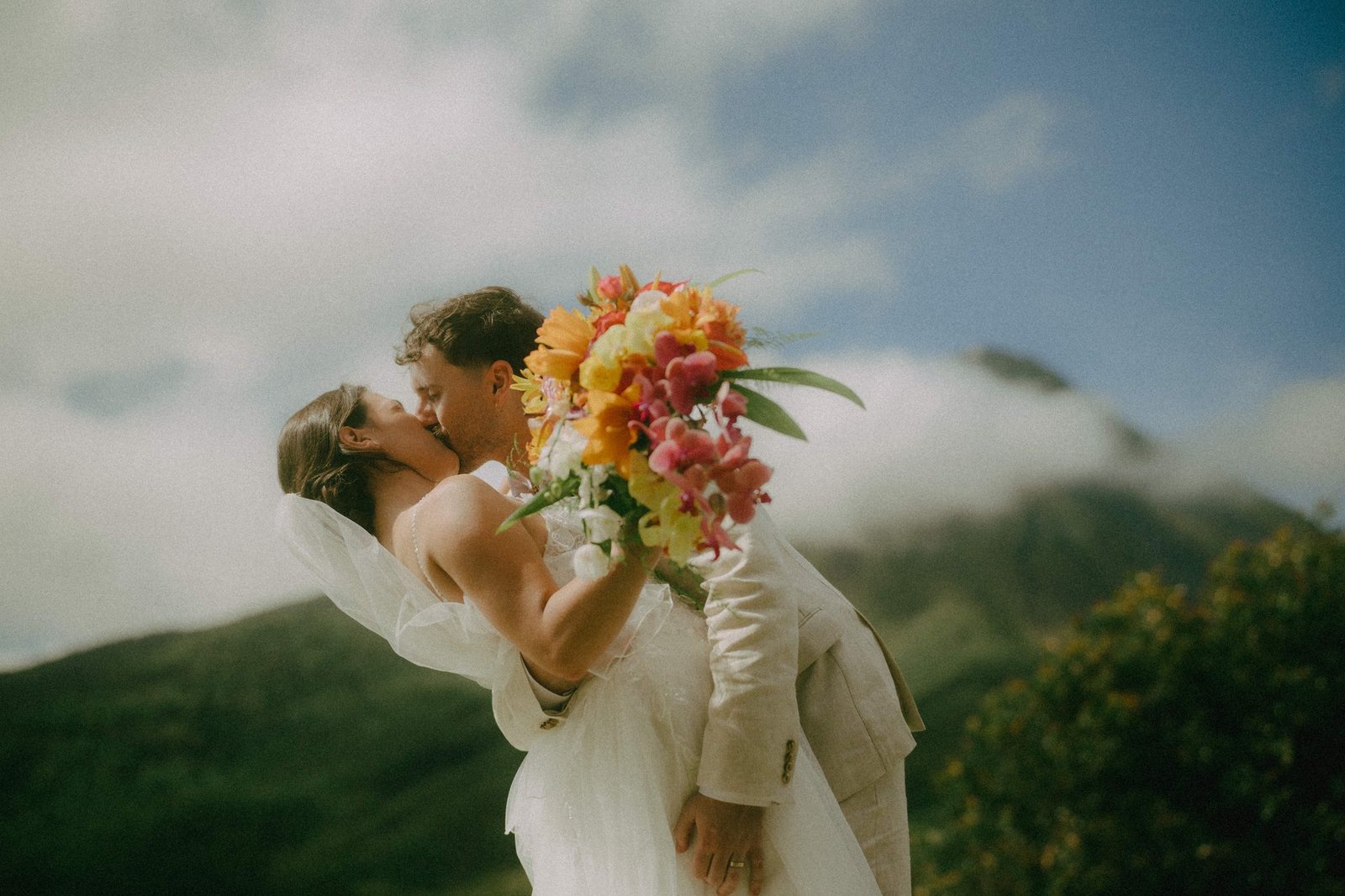
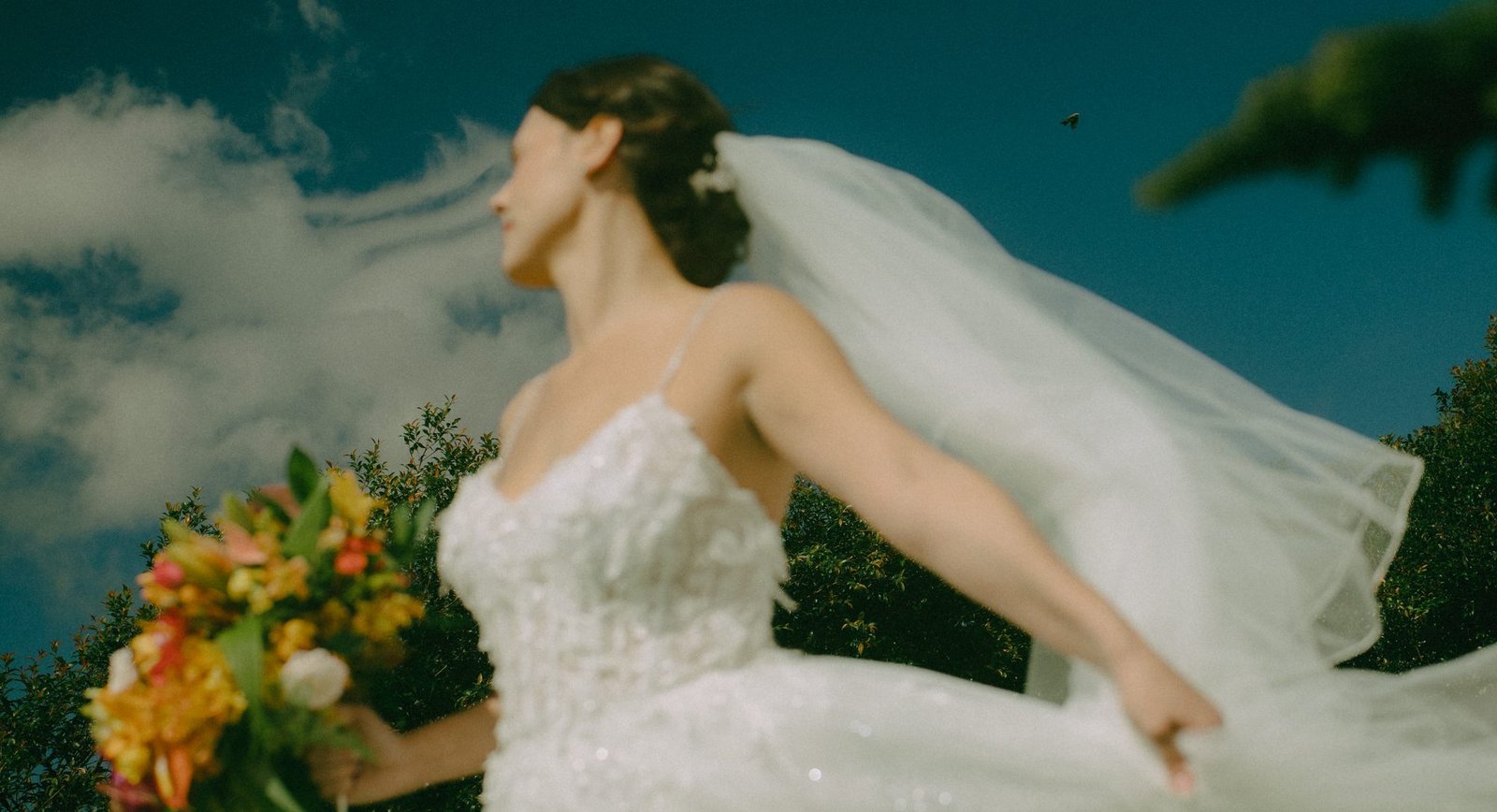
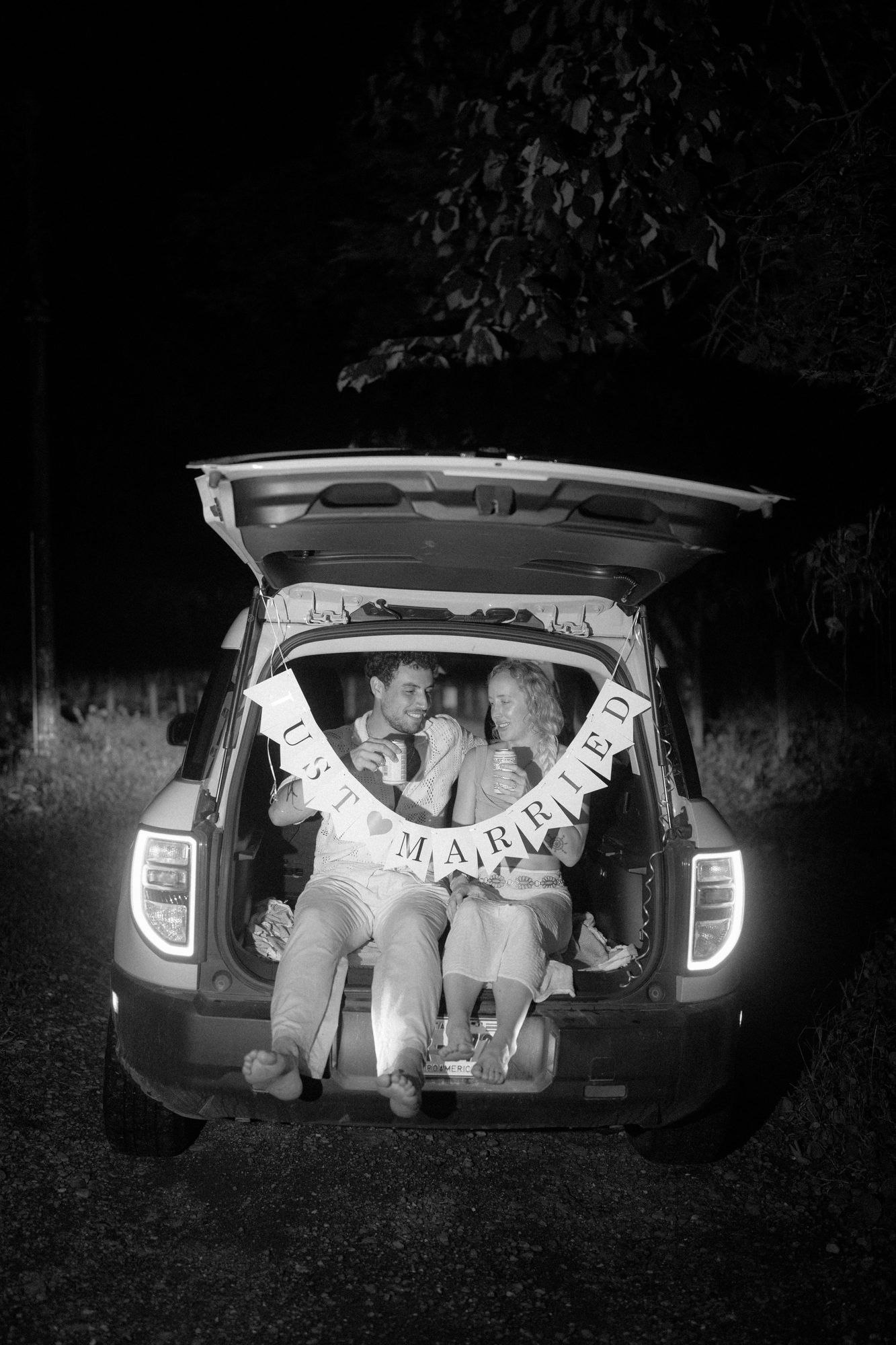
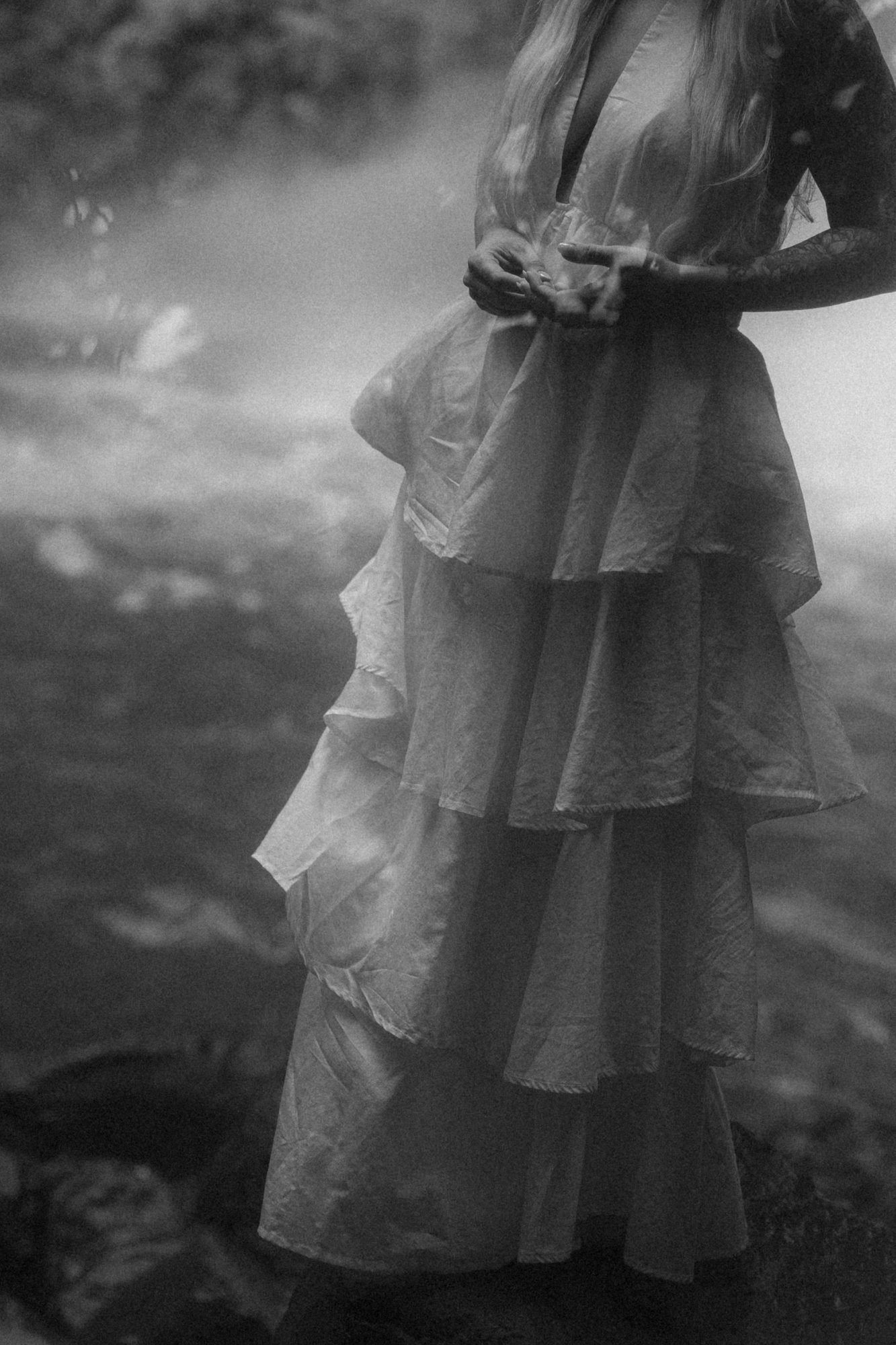
We are a bilingual photography and film team serving elopements throughout Costa Rica and selected destinations. Both Adri and Lucas have photographed and filmed weddings since 2013. Their work has been featured repeatedly by Junebug Weddings. Because we cover photo and film in-house and know the country’s beaches, waterfalls, and light, one small team captures your whole day. We answer in English or Spanish, whatever feels natural for you.
Frequently Asked Questions
How much does a Costa Rica elopement photographer cost?
Our elopement photography collections start at USD 1,640. All prices are in USD and include all fees and taxes. Your final collection depends on your coverage and location. We are happy to send the full breakdown once we know your date and where you want to elope.
Where is the best place to elope in Costa Rica?
It depends on the look you want. Guanacaste beaches are the easiest to reach and best for reliable sun; Santa Teresa is laid-back and bohemian; Arenal and the cloud forest offer volcano and jungle settings. We help you match the location to your vision.
Do we have to get legally married in Costa Rica to elope here?
No. Many couples hold a symbolic ceremony in Costa Rica and complete the legal paperwork at home, which keeps things simple. If you want to marry legally here, we point you to a trusted local planner for the current requirements.
How many people can come to an elopement?
An elopement can be just the two of you or a small group, often under about ten guests. There is no fixed rule; the point is an intimate day rather than a full wedding.
What is the best time of year to elope in Costa Rica?
The dry season, roughly December through April, is the most reliable for sun, especially in Guanacaste. The green season, about May through November, brings lush color and lower rates with afternoon rain.
Do you offer both photography and video for elopements?
Yes, both in-house as one small team. That keeps the day intimate and means the photos and the film share a style.
Can you help us plan the elopement day?
We help shape the flow, timing, and locations for the photography, and we connect you with trusted local planners for logistics and any legal steps. Together that covers the whole day.
What makes Adri and Lucas the right Costa Rica elopement photographer?
We are a bilingual photography and film team serving elopements throughout Costa Rica and selected destinations. Both Adri and Lucas have photographed and filmed weddings since 2013. Their work has been featured repeatedly by Junebug Weddings. We know the country’s wild spots and keep an intimate day calm and unhurried.
Dreaming of Eloping in Costa Rica? Let’s Talk.
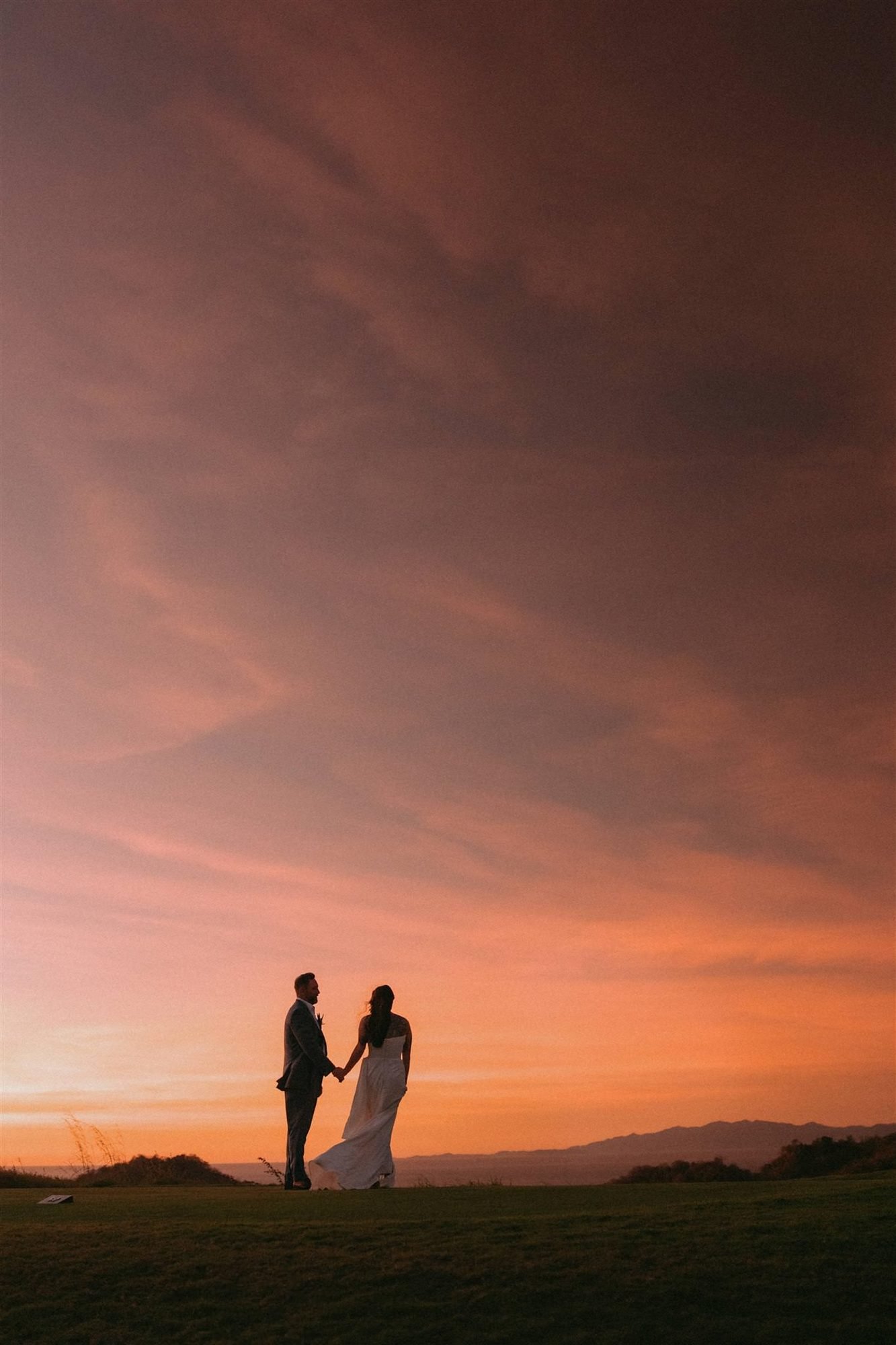
If you are looking for a Costa Rica elopement photographer who knows the beaches, the waterfalls, and the light, we would love to hear your plan. We are a bilingual photography and film team serving elopements throughout Costa Rica and selected destinations. We will help shape the day around you and cover both photo and film. We answer in English or Spanish. Pura Vida.
By Adri & Lucas Weddings. We are a bilingual photography and film team serving elopements throughout Costa Rica and selected destinations. Both Adri and Lucas have photographed and filmed weddings since 2013. Their work has been featured repeatedly by Junebug Weddings. Meet our team.